How Is the Ukrainian Translation and Localization Industry Doing?

As this article is being written, the war in Ukraine has been raging for almost three years. How is it influencing Ukrainian business, particularly the translation and localization industry?
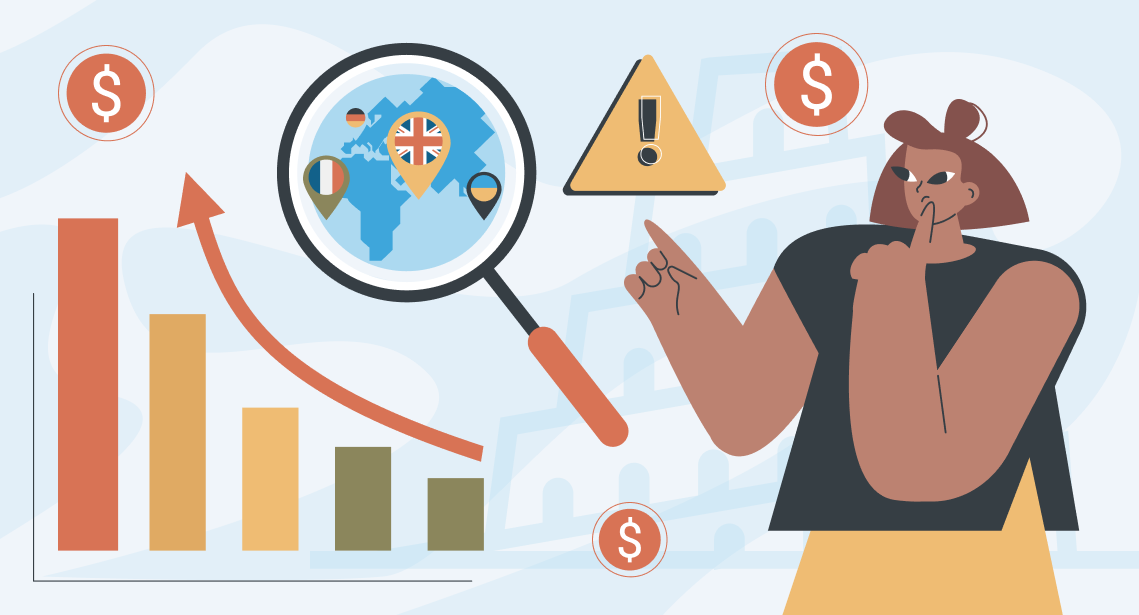
Translation companies facilitate international relations and trade, making them fully dependent on the volume of these activities. In Ukraine’s case, while trade volumes have fallen, international relations have grown.
The most obvious impact of the war is that foreign investors are naturally hesitant to enter the market, and the economy of a country at war, along with the purchasing power of its citizens, suffers. As a result, fewer goods and services are sold by foreign businesses in Ukraine, reducing the demand for translation and localization services. This is reflected in a decline in orders from traditional customers. However, the situation is more complex than it appears.
Ukraine is receiving weapons from various countries, and Ukrainian soldiers are being trained abroad. These activities require translation, localization, and interpretation services. Someone must translate user manuals into Ukrainian and facilitate communication with foreign instructors. Consequently, the niche of military-related translation in Ukraine is experiencing significant growth.
The war has also forced many Ukrainians to move to other countries, creating a demand for linguistic assistance. Documents need to be translated from Ukrainian into English and EU languages. Many refugees or veterans require medical help, necessitating interpretation services for communication with doctors. Therefore, translations related to refugee matters and healthcare have increased.
Special attention should be paid to the Ukrainian language. Due to historical circumstances, most Ukrainians are bilingual in Ukrainian and Russian. Many businesses previously saved costs by avoiding translation and localization into Ukrainian, assuming “everyone understands Russian.” That approach no longer works.
First, it is a legal requirement for businesses operating in Ukraine to communicate with customers in Ukrainian by default. This means all documentation, websites, and media must be in Ukrainian to avoid fines for non-compliance. Second, for marketing reasons, businesses must prioritize Ukrainian. Due to the war, many Ukrainians have become sensitive to the use of Russian, and companies risk being canceled by customers if they fail to switch to Ukrainian.
As a result, the volume of translations into Ukrainian is increasing, while the demand for Russian translations is declining. From our experience, in 2014, only about 15% of our company’s content was translated into Ukrainian. Today, that share has grown to 85%.
However, there is still some demand for translations into Russian. Due to sanctions imposed on the Russian Federation, customers often look for Russian-language translators in other countries. This is where Russian-speaking Ukrainians can step in—provided the work does not support Russian businesses, government, or military, as such activities are both illegal and unethical.
Ukrainian businesses face other war-related challenges. For instance, the Russian military targets Ukraine’s electricity generation and transmission infrastructure, occasionally causing power outages for several hours. However, most reputable Ukrainian businesses, including translation agencies, have adapted by installing generators or high-capacity batteries, allowing them to continue operating during blackouts. Additionally, some translators have joined the military, moved abroad, or struggled with stress, leading to workforce shortages. Nonetheless, these challenges are being effectively addressed, and Ukrainian language service companies are proving to be highly resilient.
Finally, do not hesitate to outsource work to Ukraine. While some cities on the front lines have been devastated, most of Ukraine remains functional. We are not working in trenches with machine guns by our sides; we work in normal offices, just like you. Life in major cities continues, with open restaurants and traffic jams on the roads. If you visit Kyiv, you might not even realize there is a war unless you notice specific details, such as the absence of airplanes in the sky. Statistically, Ukrainian cities are even safer than many in Europe or the United States. Despite the ongoing stress, Ukrainians have adapted and continue to work effectively.
Recommended content

QA vs. QC in Translation: What’s the Real Difference?

Professional Translation Services: Agency vs. Freelancers vs. In-House Team

Translation Project Management: Roles, Responsibilities, Workflow

ASO Localization: How to Optimize Your App for Multiple Markets