Translation Project Management: Roles, Responsibilities, Workflow
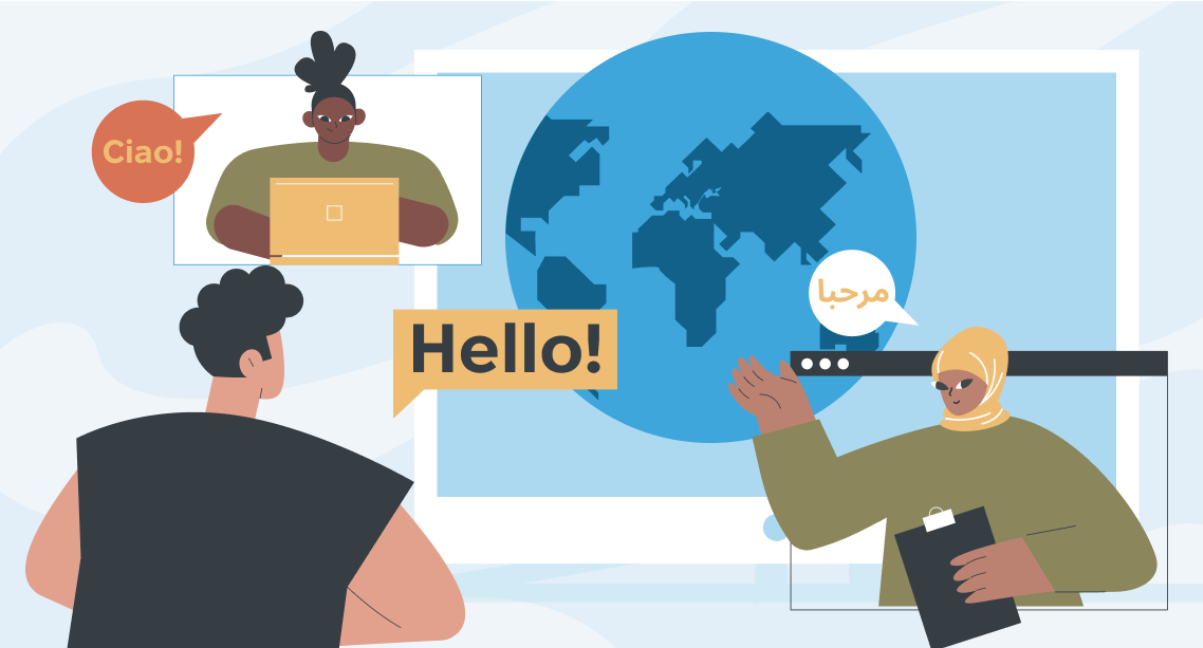
When companies expand into new markets, language can no longer be treated as a minor operational detail; it becomes a strategic challenge. Suddenly, the content—websites, apps, legal documents, marketing campaigns, customer support materials—need to appear in multiple languages, and often all at once. Without a clear structure, deadlines slip, budgets stretch, and quality becomes inconsistent. That’s where translation project management transforms a complicated process into a predictable and scalable workflow, ensuring it remains effective.
In today’s fast-paced global environment, it’s not easy to find a one-time translation task: most likely, any type of content requires a planned and coordinated approach with long-term goals in mind. It’s not just translation—it’s the craft of managing multilingual content efficiently across teams, markets, and timelines.
What is translation project management
At its core, translation project management is about planning and coordinating multilingual work from the first request to final delivery. It brings together communication, scheduling, budgeting, and quality control into a single structured translation management process, serving as the engine behind multilingual content.
A translation project manager ensures translators, editors, designers, and others involved stay on the same page so work moves forward without friction. Without effective coordination, even talented linguists struggle to deliver consistent results.
This is why translation and localization project management has become essential: product updates roll out nonstop, campaigns move at full speed, and audiences expect instant access in their own language. Success depends on organized methodology, not just language expertise. To keep up, providers need solid organization and teamwork—and language skills alone are not enough.
Key roles in a translation project
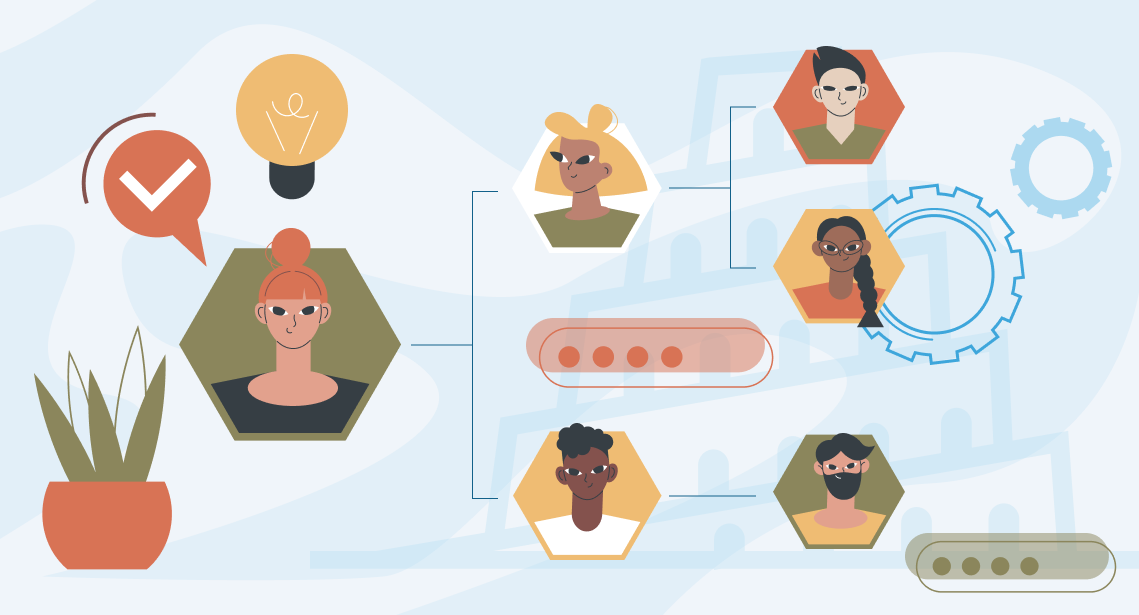
Behind every smooth translation workflow management process is a team of specialists working together. While the exact structure varies depending on the project, most setups rely on a similar group of roles.
- Translation project manager: oversees planning, timelines, budgets, and communication
- Translator: converts the source text into the target language, ensuring meaning, tone, and intent are preserved
- Editor/Reviewer: reviews the translator’s work for accuracy, style, and consistency
- Proofreader: ensures that the final text is polished and error-free
- Desktop Publishing (DTP) Specialist: works on the layout and formatting of translated documents
In practice, strong teams learn to trust this division of labor. Each role reinforces the others, and the project manager ties it all together, coordinating the whole process. By relying on clear roles and communication, projects move forward steadily, with less risk of delays.
Typical translation project workflow
Every organization eventually develops its own protocol for a translation project workflow. Yet, the overall structure typically follows a common pattern. The process is designed to be repeatable, organized, and low-risk.
The first step usually involves planning. Teams define the scope: languages, deadlines, technical requirements, and expected outcomes. It is crucial to address this step with care and precision, as weak planning almost always leads to bigger problems down the line.
Next comes team selection: choosing the right linguists is essential, since subject-matter expertise directly affects quality. Then comes technical preparation—file analysis, implementation of the glossary, and translation memory setup. These steps often happen behind the scenes, yet they significantly improve the efficiency and consistency of the translated product.
Once all the files are prepared, the production phase begins with translation, editing, and proofreading. Quality assurance isn’t just a final check—it runs through the whole process. After the project goes through all the stages of review, it is delivered and evaluated.
Core stages of the translation management process
- Planning and scoping
- Resource allocation and preparation
- Translation, editing, and proofreading
- Delivery
This structure makes it possible to scale projects from a few documents to thousands of pages without losing control.
Common challenges in managing translation projects
Even if the process is well-designed, multilingual work almost always creates new levels of difficulty. The more languages you add, the faster complexity grows. Deadlines are usually the first thing to feel the pressure. Translation work is often tied to product launches or campaign dates—that means delays are not an option. The next stumbling block tends to be quality. Each language brings cultural nuances, new linguists, and formatting requirements. Without a strong workflow, it’s hard to keep things steady and consistent.
In reality, projects rarely run in isolation. Teams are constantly balancing shifting priorities, sudden content updates, and the demands of different stakeholders. Most likely, pressure on timing and quality is inevitable, yet strong workflows give teams the structure to handle it effectively. With the right habits, even complex multilingual projects stay manageable.
Translation project management tools
Surely, technology can help, but on the other hand, it can get in the way. Modern projects lean on CAT tools, management systems, and QA software. If those tools don’t sync, parties involved end up filling gaps manually, which slows everything down. And then there’s scale: as companies grow, content volume often outpaces what internal teams can handle.
Luckily, when these systems connect smoothly, manual work can be reduced significantly. As a result, project managers spend less time chasing files and remain focused on strategy. In this way, technology evolves from a support function into one of the key pillars of multilingual operations, working alongside skilled professionals and structured workflows to keep projects aligned with industry standards and deliver work in a timely manner.
Best practices for efficient translation workflow
Strong teams don’t rely on improvisation; they build repeatable, refined workflows. Every organization adapts the process to its unique needs, yet familiar patterns recur across projects:
- Clear communication channels and shared documentation
- Glossaries, style guides, and translation memories kept up to date
- Automation for repetitive steps wherever possible
- Tracking performance and adjusting workflows regularly
These practices turn translation from a reactive service into a proactive business process.
Why companies outsource translation project management
As multilingual demands grow, many companies realize managing everything in-house isn’t practical. Building full teams, setting up tools, and designing workflows requires both time and financial resources.
If your team is evaluating ways to streamline multilingual operations, exploring translation management outsourcing services can be a practical next step toward building a scalable localization workflow.
Final thoughts
Translation project management is the foundation of successful global communication. By bringing together structured workflows, skilled professionals, and modern technology, organizations can deliver multilingual content efficiently and consistently. A strong translation management process ensures:
- On-time delivery
- High-quality translation and localization
- Cost control
- Scalable global growth
As global content demands continue to grow, investing in efficient translation workflow management is no longer optional—it’s a strategic necessity for any organization looking to successfully expand. Beyond efficiency, strong project management builds trust: clients and audiences notice when content arrives on time and reads naturally. And in the long run, translation project management becomes a true competitive advantage.
Recommended content

How to Run a Tender for Ukrainian Translation Services

How to Localize E-commerce Product Descriptions to Boost Global Conversion Rates
Translation vs. Transcription: What Is the Difference?

What Is Transliteration? How It Differs From Translation and Transcription