The Legal Risks of Poor Contract Translation in International Business
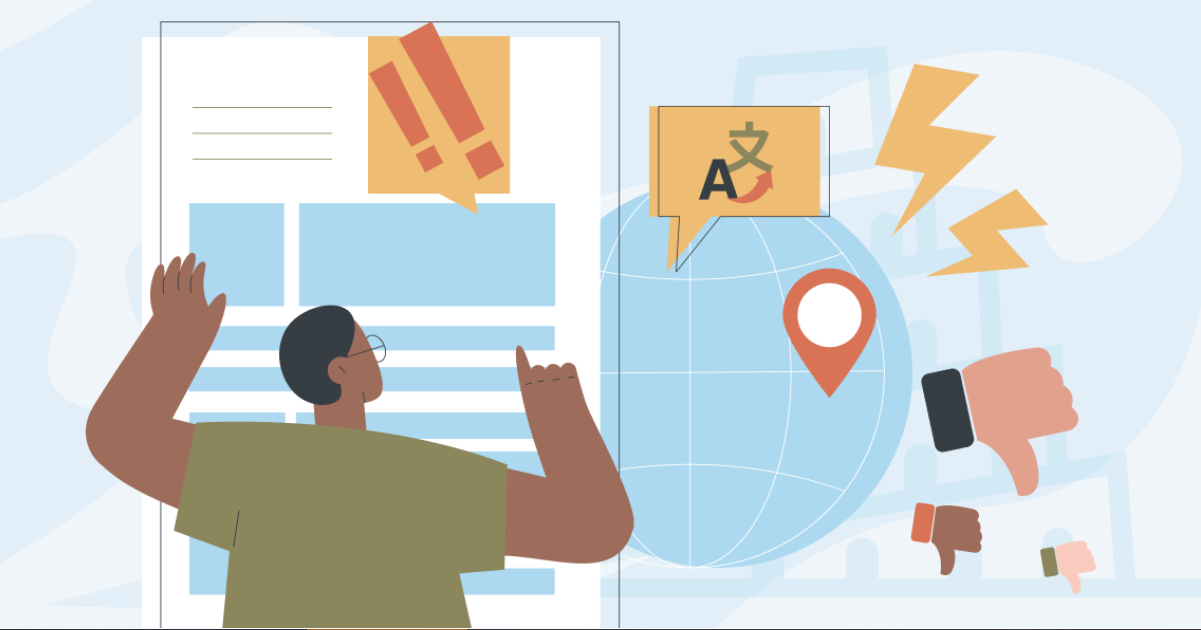
In global business, a well-written contract is the only thing that protects a company from financial loss. However, during international deals, many executives treat translation as a minor paperwork task rather than a serious legal step. This mistake creates severe poor translation risks that can damage an entire company. For CEOs, CFOs, and legal teams, a lack of precision in corporate document translation is a direct threat to profits. A single misunderstood word can turn a profitable foreign partnership into an expensive legal battle, destroying months of hard work.
The high cost of ambiguity in international contracts
In cross-border transactions, ambiguity is a hidden financial threat. When companies use low-cost commercial agreement translation, they often introduce ambiguous terminology into the document. This vague wording makes it easy to lose the exact source language meaning, allowing each party to read the contract in their own way.
When double meanings exist, both sides will interpret their contractual obligations differently. For example, if a clause about deadlines or quality standards is not crystal clear, a foreign partner can use this gap to deliver less than expected. What seemed like a safe deal can suddenly become a massive financial liability simply because a sentence could be understood in two different ways.
| Contract element | Impact of accurate translation | Risk of ambiguity |
| Payment rules | Guarantees exact deadlines and currencies. | Creates gaps where partners can delay payments legally. |
| Liability limits | Sets strict limits on financial exposure. | Blurs risk boundaries, exposing you to unlimited claims. |
| Operational delivery | Establishes enforceable timelines. | Allows counterparties to justify delays due to vague wording. |
How minor translation errors lead to major breach of contract disputes
When an international partnership runs into problems, the translated document becomes the main focus of the conflict. Minor legal translation errors usually cause expensive international legal disputes that take years to settle in foreign courts.
A serious risk happens when a translation blurs the line between a strict rule and an optional choice. For example, if a translator accidentally changes a mandatory word like “shall” into a softer word like “may,” the foreign partner can legally skip important duties without technically breaking the law.
Once this text mistake happens, your company faces a complex breach of contract translation claim. Defending your business interests becomes very difficult when the contract itself lacks precision. These severe mistranslation consequences often force companies to accept bad settlements simply because their legal protection was ruined by a minor word error.
Regulatory non-compliance and governing law conflicts
In international business, your contracts must meet the legal rules of both countries. A precise translation guarantees full regulatory compliance in your foreign market. If the text fails to match local laws, authorities can easily halt your operations or issue heavy fines, creating an immediate financial threat.
Moreover, language mistakes can ruin your position in a legal conflict. If a dispute goes to trial, a foreign court will reject any document that is not a precise, court-admissible translation. Without it, your legal team cannot present evidence to protect your investments.
Losing precision also weakens the key protective parts of your agreement. A bad translation can change how terms work under your chosen governing law clause. This confusion often ruins the power of your arbitration clause, leaving your company trapped in unpredictable foreign courts with no quick way to find a solution.
The danger of “literal” translation in corporate and legal documents
The biggest trap in corporate document translation is word-for-word, literal translation. Legal language depends entirely on context, local traditions, and the specific legal system of a country. You cannot simply swap words using a basic dictionary or automated software.
When a text is translated literally, it might look correct on paper, but it completely destroys the legal validity of the agreement. A literal approach creates several dangerous gaps in your document:
- Lost legal meaning: Simple business terms like termination and expiration require completely different actions. Translating them literally as the same concept can trap your company in a bad contract you wanted to leave.
- Sentence structure mistakes: Changing words but keeping the original sentence structure makes the text sound unnatural. This creates confusing sentences that a foreign partner can easily interpret to their own advantage.
- Misleading words: Some words look almost identical in both languages but mean completely different things. A basic translator might use them by mistake, which can accidentally change the dates, prices, or ownership rules in your contract.
A literal translation preserves the dictionary definition but completely ruins the legal mechanism of your contract.
Protecting intellectual property (IP) across language barriers
In the global marketplace, your most valuable assets are often non-physical, such as proprietary software, product designs, or trade secrets. When executing international business contracts, failing to secure rigorous intellectual property protection across language barriers can lead to the immediate loss of these corporate assets.
The primary vulnerability usually arises during the initial phases of a partnership. For instance, when drafting a non-disclosure agreement (NDA) for foreign counterparties, standard phrasing is not enough. If the translated text misinterprets the exact boundaries of what is considered "confidential information," a foreign competitor can legally exploit that gap. They can copy your technology or share your proprietary data without technically breaching the agreement in their language version.
Ultimately, a single weak translation choice can turn a private corporate asset into public knowledge. To safeguard your market advantage, ownership rules and confidentiality clauses must remain perfectly precise in both languages.
Best practices: how to mitigate risk with professional legal translators
To eliminate financial threats when growing your business abroad, you must change how you handle foreign documents. Treat legal contract translation as a core part of your corporate security protocol rather than a basic office cost.
To prevent errors, your corporate risk mitigation strategy should include these practical steps:
- Create a shared glossary: Before starting, build a list of your key business and technical terms. A certified legal translator can use this glossary to keep terminology identical across all your documents, leaving no room for dual meanings.
- Use dual-language formats: Instead of having two separate documents, sign a single contract split into two columns (side-by-side translation). This layout allows your legal team to compare sentences easily and spot errors immediately.
- Define the prevailing language: Always include a clause stating which language version wins if a dispute happens. This provides instant clarity and stops foreign courts from interpreting your contract using a flawed translation.
- Plan adequate timelines: Never rush the translation process. High-quality, accurate commercial translation takes time, and rushing a professional increases the risk of critical errors that could jeopardize the entire deal.
- Avoid free AI tools: Never put sensitive agreements into free automated translation software. To protect your corporate secrets and ensure full security, always use secured enterprise networks or professional human specialists.
Conclusion: why certified legal translation is a non-negotiable business asset
In international business, trying to save money on contract translation is a big financial mistake. The small amount of money you save on a low-quality translation is quickly lost if your company faces expensive corporate lawsuits, stolen secrets, or broken partnerships. A simple text error is not just a typo; it is a direct threat to your profits.
To protect your investments and keep your business safe, using professional legal translation services must be a mandatory rule. You must check your foreign agreements with the same attention and care as your original draft. In the end, getting an accurate commercial translation is not an optional luxury or a minor office expense because it serves as a non-negotiable business asset that keeps your global company safe and legally sound.
Recommended content
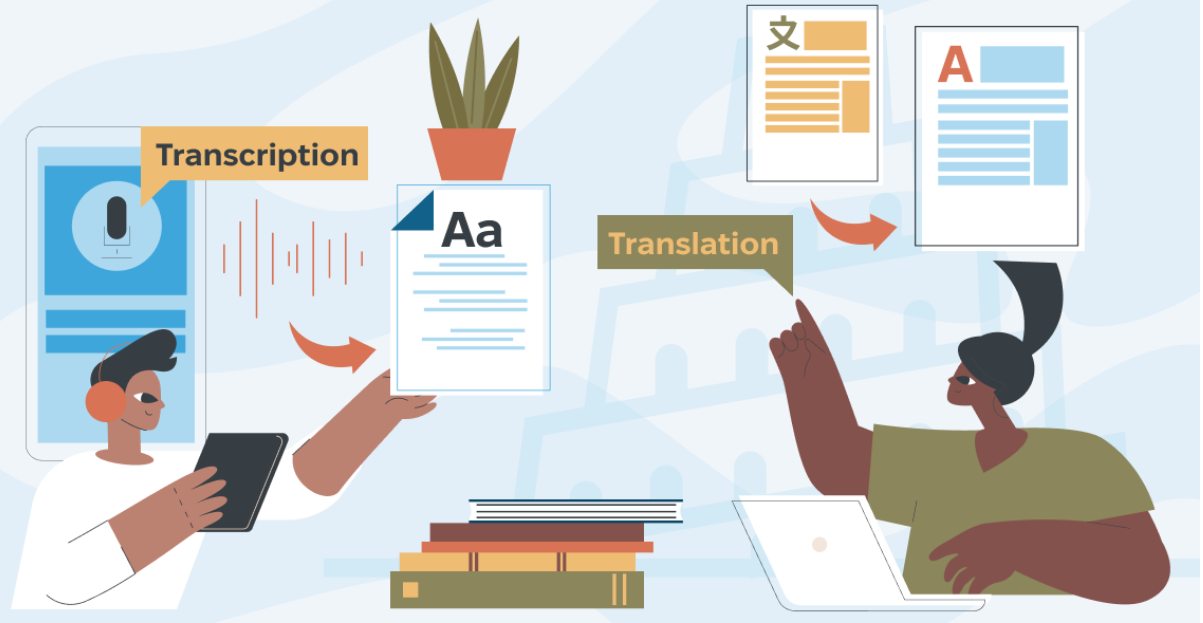
Translation vs. Transcription: What Is the Difference?

What Is Transliteration? How It Differs From Translation and Transcription

What Is a Lingua Franca? Meaning, Examples, and Common Uses
How Many Languages Are There in the World?