From Translation to Final Layout: Understanding the DTP Process
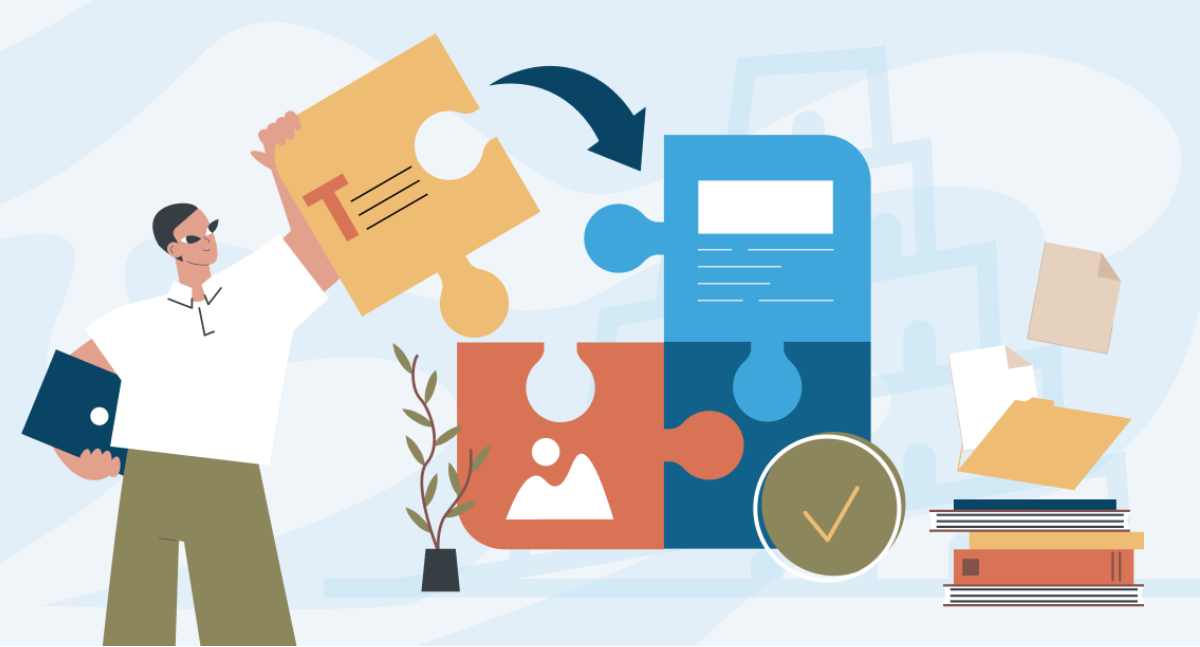
Anyone who’s been involved in a multilingual publishing project knows that translation is only one part of the journey. Once the content has been rendered, it still needs to be formatted, reviewed, and prepared for publication. This is where desktop publishing (DTP) becomes essential.
Whether the final deliverable is a product catalog, annual report, training manual, brochure, or marketing presentation, the appearance of the document matters just as much as the accuracy of the translation. A perfectly translated text can still create a poor impression if it doesn’t fit the layout correctly or if the formatting breaks during the localization process.
Understanding the desktop publishing process helps businesses plan multilingual projects more effectively and avoid costly revisions later in production.
Why layout matters after translation
One of the most common misconceptions about localization is that translated text can simply be inserted into the original document without affecting the design. In reality, every language behaves differently.
As a result, content that looked perfectly balanced in the source language can create unexpected formatting issues after translation. Text may overflow outside designated areas, tables may become difficult to read, line breaks may occur in awkward places, and visual elements may lose their intended alignment.
These challenges simply reflect the fact that languages differ in structure, length, and typography. Adapting the translated content to the design requires specialized expertise in both language localization and document formatting. This is precisely where DTP specialists add value.
How the DTP process works
At a basic level, DTP in translation involves adapting translated content to an existing document design while preserving the original visual appearance. The goal is to ensure that readers in every target market receive a document that looks professional, consistent, and easy to navigate.
Once translation is complete, the content is imported back into the layout, and the DTP specialist reviews the document page by page. The process often includes:
- Adjusting text frames to accommodate text expansion or contraction
- Correcting line breaks and paragraph spacing
- Replacing fonts that do not support the target language
- Modifying tables and charts
- Updating images that contain embedded text
- Ensuring consistent typography throughout the document
- Preparing files for print or digital publication
Although the steps may vary from project to project, the objective remains the same: maintaining the integrity of the original design while adapting the content for a new language.
Common challenges in multilingual desktop publishing
Every multilingual project presents unique formatting requirements, but certain challenges appear consistently across industries and document types.
Text expansion is one of the most common issues encountered during multilingual desktop publishing. A translated sentence may require more (or less) space than the original version, forcing adjustments to text boxes, columns, and page layouts. Without proper adaptation, expanded text can affect readability and disrupt the overall design.
Font selection becomes increasingly important when documents are translated into multiple languages. A font that works perfectly for English may not support the characters required for Ukrainian, for instance, and many other languages. In some cases, alternative fonts must be introduced while preserving the document’s visual identity as closely as possible.
Right-to-Left Languages. Some languages, such as Arabic and Hebrew, require an entirely different approach to layout design. Beyond changing text direction, the overall reading flow often needs to be reversed. Headers, footers, page numbering, navigation elements, and image placement may all require adjustment. Modern software supports bidirectional languages, but achieving a polished result still requires manual configuration and review.
Images and Graphics with Embedded Text. Infographics, diagrams, and marketing graphics frequently contain text that cannot be extracted through standard translation workflows.
When editable source files are unavailable, these visual elements may need to be recreated manually, adding complexity to the project and extending production timelines.
DTP workflow: from source file to final publication
A typical DTP workflow consists of several interconnected stages designed to ensure both linguistic accuracy and visual consistency. The process usually begins with a review of the source materials. During this stage, specialists verify that fonts, images, and linked assets are available and functioning correctly.
Next, content is extracted for translation using CAT tools or localization platforms. Once translation is complete, the content is imported back into the original design.
The desktop publishing process then moves into the layout adaptation phase, where specialists make adjustments to accommodate language-specific requirements. This stage may involve resizing text frames, adjusting tables, refining typography, and updating graphical elements.
After formatting is complete, the document undergoes linguistic review in context. This step is particularly important because content can appear differently when viewed within a finished layout than it does in a translation environment. The final stages typically include:
- Layout quality assurance
- Linguistic verification
- Preflight checks
- Final corrections
- Print or digital output generation
This structured DTP workflow helps ensure that the final deliverable meets both linguistic and design requirements.
Multilingual desktop publishing: why it’s different
Traditional graphic design and multilingual desktop publishing rely on many of the same tools, but the objectives are different.
Graphic designers typically create layouts around content written in a single language. In contrast, multilingual DTP specialists must adapt content that was originally designed for one language to work effectively in another.
The challenge is not simply fitting translated text onto a page. Professional DTP preserves branding, maintains readability, and ensures a consistent user experience across multiple languages and markets. Achieving this balance requires both technical design expertise and an understanding of linguistic variation.
DTP vs. translation: understanding the difference
Translation and DTP are closely connected, but they are distinct professional services.
The translator focuses on language accuracy, terminology, tone, and cultural appropriateness, while the DTP specialist focuses on layout, typography, formatting, and production readiness.
Although some professionals possess skills in both areas, each discipline requires specialized knowledge and tools. Understanding this distinction helps organizations allocate resources appropriately and avoid unrealistic expectations during multilingual projects.
When do you need DTP services
Not every translation project requires desktop publishing support. Simple text documents and email communications can often be translated without significant formatting considerations. However, DTP becomes essential whenever layout contributes to the effectiveness of the content. Examples include:
- Product catalogs
- Marketing brochures
- Training manuals
- Regulatory documentation
- Corporate presentations
- Technical documentation
- Annual reports
In these situations, a professional desktop publishing service helps ensure that the translated document maintains the same level of quality as the source version. A useful rule of thumb is simple: if visual presentation matters, DTP should be part of the project plan.
Common mistakes businesses make
One of the most frequent mistakes organizations make is treating DTP as an optional final step rather than a planned component of localization. When formatting requirements are identified too late, project timelines often become longer, and costs increase.
Another common issue is providing only PDF files instead of editable source documents. Access to original InDesign, Word, or PowerPoint files significantly streamlines production and reduces the amount of reconstruction work required.
Planning for DTP layout requirements from the beginning of a project typically results in smoother workflows and better outcomes.
Why DTP is a critical part of the localization process
The final DTP layout stage transforms translated content into a professional document. Without it, even the most accurate translation can appear unfinished or difficult to use. Successful localization depends on more than words alone: content, design, and usability must work together to create a consistent experience for the target audience.
For organizations managing multilingual content at scale, integrating translation and desktop publishing within a unified workflow often delivers the best results. Fewer handoffs, faster feedback cycles, and more efficient quality control contribute to a smoother production process and a stronger final product.
Ultimately, multilingual desktop publishing bridges the gap between translation and publication, ensuring that every document is both linguistically accurate and visually effective. For organizations seeking reliable support in this area, engaging a professional DTP service provides the expertise needed to deliver polished, publication-ready results.
Recommended content
Translation vs. Transcription: What Is the Difference?

What Is Transliteration? How It Differs From Translation and Transcription
What Is a Lingua Franca? Meaning, Examples, and Common Uses
How Many Languages Are There in the World?