Most Useful Languages to Learn in 2026

Choosing which language to learn is no longer just a hobby question—is a strategic decision that can shape your career, income, and cultural opportunities. As global markets shift and new economic centers emerge, the most spoken languages worldwide and the fastest-growing languages are becoming increasingly important for anyone aiming to stay competitive in 2026 and beyond. Whether you’re exploring good languages to learn for business or want to connect with more people across the globe, this guide highlights the most useful options backed by real economic and cultural arguments.
What makes a language “Useful”
A “useful” language is one that provides measurable value. Usually, this means a combination of the following factors:
1. Number of speakers
The more people speak it, the more opportunities you gain. While English remains the most dominant language in the world for international communication, other languages are growing rapidly and deserve attention. Looking at both native and non-native speakers helps us understand the languages in the world most spoken today.
2. Economic and business power
A language becomes useful when it opens doors to strong or emerging markets. Investors, multinational companies, and remote workers all benefit from languages tied to expanding economies.
3. Cultural influence
Beyond economic value, languages with rich cultural output—films, media, literature, tech communities—offer deeper personal and professional benefits.
4. Future growth
A forward-looking learner should also consider what will be the most spoken language in 2050, or which regions are expanding demographically. These in-demand languages can deliver the highest returns in the long term.
Top languages for 2026
Below are the most useful, strategic, and popular languages to learn and include in your CV. Each combines influence, growth, and real-world relevance.
1. English—still the most used language in the world
English remains the most spoken international language, with over 1.4 billion speakers, dominating global business, science, aviation, technology, and entertainment, and is essential for IT, marketing, finance, and cross-border work because it serves as the primary language of the internet and trade, is required by multinational companies, facilitates remote collaboration, and has a massive cultural influence.
2. Mandarin Chinese—the economic powerhouse
Mandarin is the second most spoken language in world, and with China as a leading global economy, it remains a top language to learn in 2026 due to its central role in manufacturing, e-commerce, and technology, the high demand for specialists familiar with Chinese business culture, massive online marketplaces like Taobao and Alibaba, and its expanding influence through global trade and investment. It is also predicted to remain among the top answers to what will be the most spoken language in 2050 due to population size and economic momentum.
3. Spanish—one of the fastest-growing global languages
Spanish, often ranked as the third most spoken language in the world with over 500 million speakers, is a top language to learn in 2026 due to its large consumer markets in Latin America, growing demand in healthcare, customer support, and tourism, broad cultural influence through films, music, and literature, and relatively easy grammar for learners.
4. Arabic—essential for energy and diplomacy
Arabic covers more than 20 countries and plays a central role in geopolitics, energy, and international relations. It’s also one of the most spoken languages worldwide when combining all dialects. Arabic is a strategic language because it is essential for accessing Middle Eastern markets, highly valued in energy, construction, and tech sectors, supported by rapid economic growth in the Gulf countries, and widely used in humanitarian and development work.
5. Hindi—language of a rapidly growing superpower
With India poised to become one of the world’s largest economies, Hindi is emerging as one of the most in-demand languages to learn in 2026 due to the country’s booming IT and startup ecosystem, expanding consumer market, strong global diaspora, and growing demand for cross-border collaboration.
6. French—language of diplomacy and a rising Africa
French is one of the fastest growing languages that remains highly relevant in 2026 because it is widely spoken in Europe and Africa and serves as an official language for major international organizations, offers business opportunities across Africa, Canada, and Europe, is key in diplomacy, law, and humanitarian work, and continues to influence luxury goods, fashion, and tech innovation.
7. German—Europe’s economic engine
German is a top language to learn in 2026 due to Germany’s position as the largest EU economy, strong job market for engineers, scientists, and IT specialists, its importance in automation, manufacturing, and green technology, and the high salaries available in German-speaking regions.
Language difficulty comparison table
This table shows the difficulty of each language based on FSI (Foreign Service Institute) levels, updated to reflect their relevance for learners in 2026.
| Language | Difficulty Level | Estimated Time to Proficiency | Notes |
| English | Easy (for Europeans) | 600–750 hours | Global exposure makes learning faster |
| Spanish | Easy | 600 hours | Simple grammar, mostly phonetic spelling |
| French | Medium | 600–750 hours | Pronunciation and grammar require practice |
| German | Medium | 750–900 hours | Complicated grammar but logical structure |
| Hindi | Medium Hard | 900–1100 hours | New script (Devanagari) adds difficulty |
| Mandarin Chinese | Hard | 2200 hours | Tones and characters, but huge payoff |
| Arabic | Very Hard | 2200 hours | Script, grammar, and dialect differences |
How to choose the right language for you
1. Align with your career
When choosing a language, consider your professional goals and the industries you want to grow in:
- For tech professionals, English, Hindi, and Mandarin will give access to global tech hubs, major outsourcing markets, and some of the world’s largest digital economies.
- For engineers, especially in the automotive, mechanical, or green technology fields, German can open doors to high-paying roles in Germany, Austria, and Switzerland.
- For those building a career in diplomacy, humanitarian work, or international organizations, languages such as French and Arabic are essential because they are widely used in global institutions, UN operations, and cross-border development projects.
- Professionals in marketing, sales, or communications will benefit greatly from English and Spanish, as both are dominant in international advertising, digital media, and consumer markets across Europe, the Americas, and beyond.
2. Consider market growth
It’s also important to think long-term and factor in how global markets are expected to evolve. If future opportunities matter to you, choose a language tied to regions with strong demographic and economic growth, such as French and Arabic, which are expected to expand significantly as African markets grow toward 2050. Choosing a language with strong future growth prospects can give you a strategic career advantage.
3. Choose what motivates you
Beyond business and economic considerations, personal motivation is a major predictor of successful language learning, as genuine interest in a language—through its films, music, literature, or culture—helps maintain consistency, fuels enthusiasm, and makes the process more rewarding, greatly boosting your chances of long-term success.
4. Evaluate practical use
Finally, consider how often you will actually use a language, because even the most dominant language in the world is of little value if you don’t have opportunities to speak, read, or apply it; the best choice fits naturally into your lifestyle and offers regular real-world practice.
Final thoughts
The most useful language is not just the one with the largest number of speakers, but the one that aligns with your ambitions. Whether you're aiming for career advancement, business expansion, or cultural discovery, the top languages to learn in 2026 offer powerful opportunities.
Recommended content

How to Run a Tender for Ukrainian Translation Services

How to Localize E-commerce Product Descriptions to Boost Global Conversion Rates
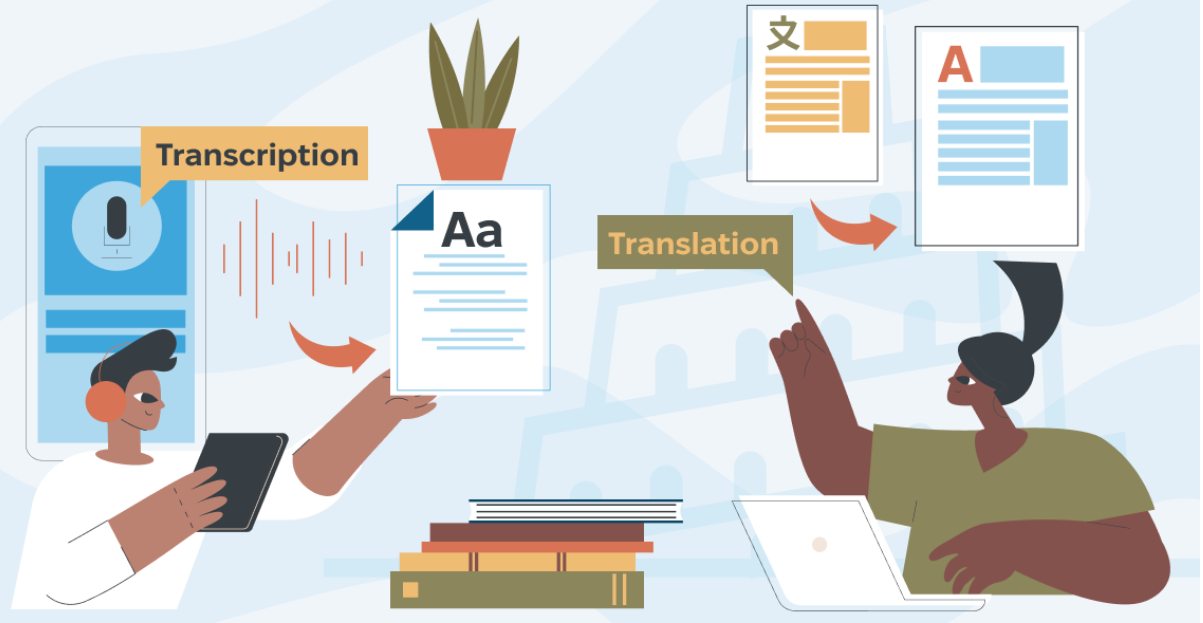
Translation vs. Transcription: What Is the Difference?

What Is Transliteration? How It Differs From Translation and Transcription