our blog
Reasons Why Your Translation Volume May Be Different from the Client’s One
23 February 2023
The volume of translation for the customer and the translator is not always the same
There are times when a client sends you 5K words for translation, but your CAT tool thinks they gave you 10K (the volume of technical translations is usually measured in words). No one wants to do extra work. Before you turn on the panic mode, go through this list.
* * *
First and foremost, the problems of possible misunderstanding:
- Are all the documents in the package included in your assignment? Maybe some of them were assigned to another translator?
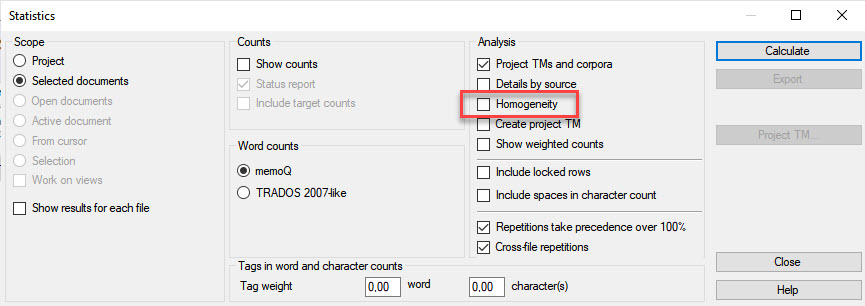
- Do you and the client have the same analysis settings? For example, in memoQ, the Homogeneity flag strongly influences analysis results.
- Is there any TM in the project at all? Perhaps the client simply forgot to add it when creating the package.
* * *
If this does not help, there may be problems with the TM:
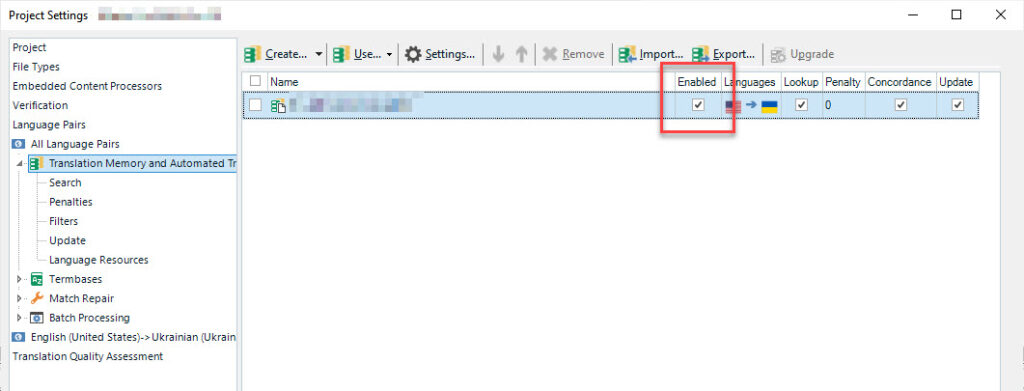
- If there is a TM, is it activated? For example, in Trados Studio, look at the Enabled checkbox.
- If the TM is online, is the TM server enabled and are you connected to it? In memoQ, active online TMs are highlighted in yellow.
- Is the name of the TM file too long? If it is, disconnect the TM, give its file a shorter name, and reconnect it.
- Is the path to the TM file too long? If it is, disconnect the TM, move its file closer to the root of the disk, and reconnect it.
- Do the TM file name and path contain characters of unusual languages (acute accents, umlauts, hieroglyphs)?
- Is the TM file blocked by anything? Does the file have a Read only attribute? Is it being scanned by your antivirus? Is the file in the cloud storage (Dropbox, OneDrive, Google Drive)?
- Is everything okay with the TM file itself? Does it need to be re-indexed (Trados Studio) or restored (memoQ)?
- The scope of the translation may depend on the version of the CAT tool. Compare the versions of the programs—yours and the client's one.
If this does not work as well, you will have to send screenshots to the client.
Recommended content

How to use the ampersand and how is it different from and
A little bit on how & is different from and The ampersand is a ligature that the Latin conjunction et, which means and, has been transformed into. Once upon a time, the ampersand was even considered the 27th letter of the alphabet. When pronouncing letters in the alphabet, it was ended with the words and […]

How to split a large Trados Studio file into multiple parts
About splitting a large file into multiple parts How to split a large Trados Studio file into several parts: ➕ The plugin is free, simple, and effective. Trados Studio is not needed at all. ➖ It is better to use it only for splits, there are problems with merges. * * * ➕ Always works […]

T9N, L10N, I18N, G11N, C13N, M17N, V8N
Some slang abbreviations from the localization field Let’s check some slang abbreviations from the localization field. All of them are based on the principle of “taking the first and last letters of a word, cutting out the middle, and writing the number of the cut out letters instead.” These terms are vague, and their meanings […]
How to enter characters that are not on the keyboard
About ways to enter characters that are not on the keyboard If you’re working on Windows and need to type something that isn’t on the keyboard, press Win + ;. A small window will appear where you can choose the type of character you want (regular, emoji, or smiley) at the top and specify it […]
How to fix the “Value cannot be null. Parameter name culture” error in Trados Studio
About another error in Trados Studio If you create a project in Trados Studio and when asking to see a preview of the file, it says that you are not cultured enough, Value cannot be null. Parameter name: culture —ignore it: the project will be created properly and everything will be fine. It’s only the […]

