Common Red Flags When Choosing a Ukrainian Translation Provider

At first glance, choosing a translation partner rarely feels like a high-risk decision. Many organizations assume that if a provider knows the language, the rest will follow naturally. Yet translation requires much more than just rendering words: it’s an art of efficient communication, compliance with industry standards, excellent brand reputation, and customer trust. When mistakes happen, they are visible immediately—and often it’s the public that thinks: “Something seems off.”
For companies looking to step into or expand within the Ukrainian market, choosing the right translation provider is not just a routine purchase. A poor choice can have a devastating effect on how consumers, partners, and regulators perceive your organization.
In this article, we’ll explore some of the most common warning signs to watch for and tips for evaluating Ukrainian translation services thoughtfully and realistically.
Choosing a translation provider
High-quality translation feels seamless, almost invisible. Ideally, readers should simply understand your message and feel that the content speaks to them naturally. Poor translation, however, creates friction: it can make a company appear careless, unprofessional, or disconnected from the local market.
Investing in a strong and reliable Ukrainian translation company helps you maintain a consistent voice, reduce risk, and scale communication across multilingual markets. On the other hand, choosing a weak and undependable provider often leads to rework and consequential delays, and, as a result, damages your reputation.
Many red flags become obvious only after the project gets underway. The good news is that knowing the early signs can save you money, time, and customers—both potential and loyal ones.
Unrealistically low prices
Price is one of the first factors organizations compare. Budget constraints are real, and translation is sometimes viewed as a commodity service. However, extremely low rates are rarely a sign of efficiency: more often, they indicate shortcuts that will surface later.
Professional translation involves research, terminology management, editing, proofreading, and project coordination—and skilled linguists and experienced reviewers are part of the process. When pricing falls far below the industry average, the provider may be overlooking essential steps.
At first, the outcome may look fine, particularly to a non-native reader. However, problems typically emerge later—during publication, legal review, or customer feedback. At that stage, corrections become more expensive and time-consuming than doing the work properly from the start.
No quality assurance process
A reliable provider should be able to explain how your content moves from the initial request to final delivery. If the workflow sounds vague or overly simple, it is worth asking more questions.
Quality checks are not optional—they are essential. Even the most experienced translator benefits from a second pair of eyes. Editing and proofreading ensure accuracy, consistency, and clarity.
Lack of experience: hidden risks
Language expertise alone is not enough for professional translation. Legal, medical, financial, and technical content each relies on specific terminology and conventions. If a translator lacks domain knowledge, they may misread the context or use incorrect terminology, and both cases can lead to critical mistakes that distort the text’s content.
Organizations should seek evidence that a provider understands their field. Case studies, references, or examples of similar work can provide reassurance that the team is familiar with industry terminology and expectations.
Communication as a mirror of partnership
Early communication often predicts how a project will unfold. If initial exchanges lack timeliness or structure, managing tasks under tight deadlines is likely to be more challenging, particularly once negotiation over delivery schedules or revision rounds begins.
Translation projects frequently require clarification, updates, and feedback. Strong communication reduces delays and helps ensure that expectations remain aligned. Reliable providers typically assign a project manager who coordinates timelines, answers the questions that may arise, and keeps the process organized—this role is especially valuable for multilingual projects.
Warning signs to watch for early
The most common red flags often appear during the first round of communication. Paying attention to them can prevent future complications and, as a result, save time and money. Here are some examples that may indicate potential issues:
- Vague explanations of workflow or pricing
- Extremely fast turnaround promises for any content type
- Limited interest in your audience or industry
- Slow or inconsistent communication
Individually, these signs may seem minor, but taken together, they often point out a provider without a structural approach or proper experience.
Technology in modern translation services
Modern translation workflows rely on technology to improve efficiency and consistency of the output. Translation memory, terminology databases, and collaboration tools help teams manage large or ongoing projects with specific consistency requirements.
However, technology cannot replace human expertise. Automated translation struggles with tone, nuance, and cultural context, as well as tends to generate AI hallucinations. A balanced approach combines technology with skilled linguists who understand both language and audience. Providers who emphasize technology, chances are, they value speed over quality.
Checklist for choosing a Ukrainian translation company
When comparing Ukrainian translation companies, it helps to step back and evaluate the overall picture. Consider whether the provider demonstrates the following qualities:
- Native Ukrainian linguists with proven professional experience
- A structured editing and proofreading process
- Transparent pricing and realistic timelines
- Clear communication and project management
This holistic perspective makes it easier to distinguish between short-term vendors and long-term partners. Choosing a Ukrainian translation provider is ultimately about experience and trust. While cost and turnaround time matter, they should never be the only criteria.
By watching out for early warning signs and evaluating providers carefully, organizations can avoid common pitfalls and build partnerships that support clear, natural, and reliable communication. A thoughtful selection process leads to better results, stronger partnerships, and greater confidence when communicating with Ukrainian audiences.
Recommended content

How to Run a Tender for Ukrainian Translation Services

How to Localize E-commerce Product Descriptions to Boost Global Conversion Rates
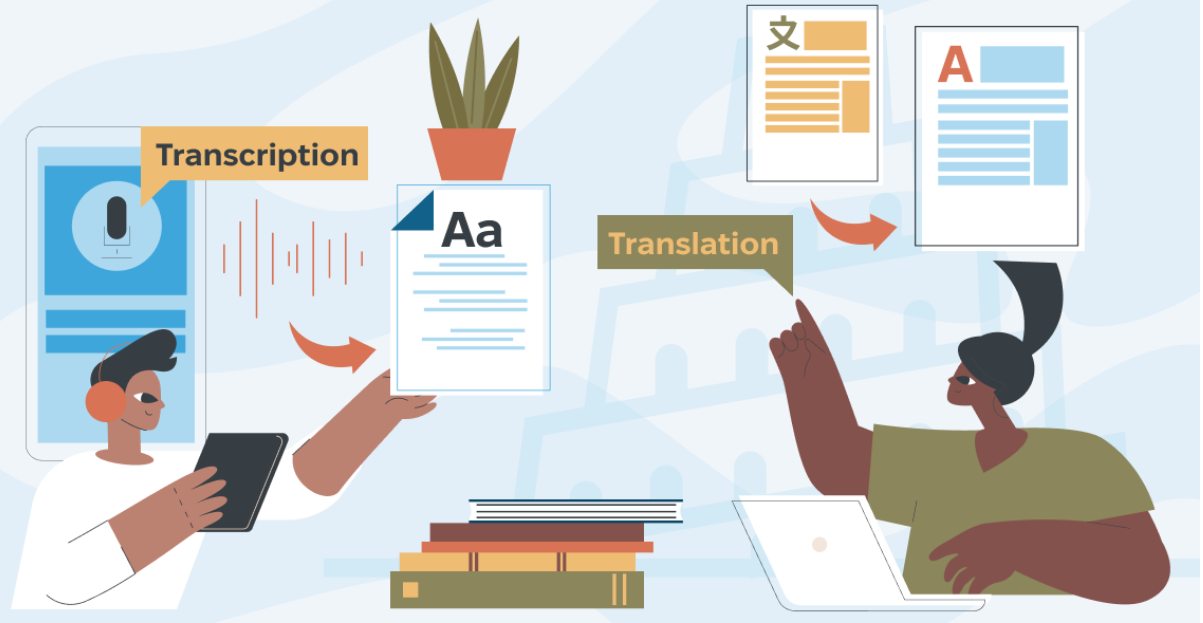
Translation vs. Transcription: What Is the Difference?

What Is Transliteration? How It Differs From Translation and Transcription