The Cost of Poor Translation: Why Professional Localization Pays Off

With rapid advances in AI and increasing pressure to reduce production budgets, many companies focus only on the professional translation services price—but overlook the long-term risks of poor localization. A funny error in a product manual or ad may be amusing at first glance—but for customers, it usually feels unprofessional and disappointing.
So why does choosing a reliable Language Service Provider (LSP) matter? And how can incorrect localization harm your business, your brand, and your bottom line?
What “Poor translation” actually means
In a high-quality product, every detail counts. Localization is just as important as design, price, advertising, and usability. Trying to cut the average cost for translation services may seem efficient in the short term, but it often damages customer trust, which is expensive and sometimes impossible to recover.
Poor translation is not always obvious to non-native speakers. A text can appear acceptable while still containing subtle but harmful errors. Common signs of low-quality translation include
- Changed or lost meaning
- Grammar mistakes, incorrect syntax, or misspellings
- Inconsistent terminology
- Unnatural or robotic tone
- Literal translation of idioms
- Jokes or cultural references that don’t make sense
- Overuse of loanwords
- A “rushed” or machine-made feel
These translation issues can add up quickly and significantly impact how users perceive your product.
Hidden costs of bad translation
A low translation fee may look like money saved, but poor localization almost always leads to larger expenses later. Fixing mistakes, addressing user complaints, or repairing brand damage takes far more time and money than doing it right from the start.
Here are some risks companies often underestimate:
Misunderstanding
Without a proper market research, even a small inaccuracy in product presentation or software localization can be noticeable and harm your product’s image.
A classic example is the Schweppes Tonic Water campaign in Italy, where the product name was mistranslated as “Schweppes Toilet Water.” The confusion happened because il water in Italian actually means “toilet.” The company later corrected the name to “Schweppes Tonica.”
Mistakes like this are avoidable—but when they happen, they can instantly harm your product’s image and reduce trust.
Brand reputation damage
When poorly translated content spreads online, it can go viral for all the wrong reasons. Literal translations, misunderstood humor, or culturally insensitive wording may appear unprofessional or even offensive.
Professional localization is more than translating words—it requires understanding cultural context, brand voice, and user expectations. High-quality LSPs also perform thorough reviews and quality checks before anything goes public.
Product recalls and rebranding
Incorrect translation of instructions or an unfortunate brand name can lead to expensive corrections, new packaging, product recalls, or complete rebranding. As a result, localization, production, and marketing expenses significantly increase.
For example, Mercedes-Benz initially entered the Chinese market under the name “Bensi” a phrase resembling “rush to die.” The company quickly changed it to “Benchi,” meaning “run quickly as if flying”—a far more suitable and positive association.
Law infringement
Doing business internationally requires accurate translation to comply with local laws. Even a small mistake in a contract, label, or legal disclaimer can cause serious consequences and costly litigation, especially in countries with strict regulations.
Worst-case scenario
In industries like medicine, pharmaceuticals, chemicals, and machinery, mistranslations can create risks for users.
Between 2006 and 2007, a translation error in Germany caused dozens of failed knee replacement surgeries. A label on a knee implant was translated as “non-cemented” instead of “non-modular cemented,” leading surgeons to believe no cement was required. As a result, 47 patients required revision surgery and months of additional recovery.
Mistakes in safety-critical fields are not just costly—they can be dangerous.
Why professional localization is worth it
Professional translation cost may seem too high until you consider everything it prevents. A qualified Language Service Provider (LSP) combines linguistic expertise, cultural knowledge, and strict quality assurance processes to deliver reliable, accurate content.
High-quality localization always includes:
- Accurate preservation of meaning
- Correct grammar and syntax
- Clear and precise technical terminology
- Natural, audience-specific tone
- Culturally appropriate references and examples
- Consistent use of key terms across all content
- Easy-to-read, user-friendly text
Professional LSPs deliver what can be considered business class translations—culturally relevant, consistent, and tailored for the target audience.
Localization ROI: why quality pays off
Brands that invest in localization consistently see higher engagement, improved user satisfaction, and increased revenue. According to a study by Shopify, a global commerce company with millions of merchants in around 175 countries, localization alone can boost conversion rates by 10–15%—and high-quality localization often performs even better.
Localized content drives more purchases because customers prefer products in their own language. This increases user interest, boosts organic traffic, and supports lead generation through SEO and social media.
Customers also submit fewer support requests because a well-localized product is clearer and easier to use. High-quality localization can improve engagement, strengthen your brand image, and make your business more competitive.
Here’s how it impacts your business:
| Benefit | Impact |
| Better resonance with local customers | Higher conversions and revenue |
| Clearer user experience | Better reviews and higher retention |
| Avoidance of mistranslations | A stronger global brand image |
| Clear instructions and content | Fewer customer-support tickets |
| Efficient TMS use | Lower operational costs |
| Cultural and linguistic relevance | Increased market share |
Localization doesn’t just translate your content—it expands your audience, strengthens trust, and improves user satisfaction.
Final thoughts
Poor translation can cost you far more than professional localization ever will—from lost trust and lower sales to legal or reputational risks. Even global companies occasionally face scandals caused by inaccurate translations.
Choosing your LSP carefully is essential. Evaluate their expertise, tools, certifications, quality processes, specializations, and pricing. Extremely low costs often indicate rushed work, minimal quality control, or a lack of cultural adaptation. Trying to minimize translation charges often results in hidden costs, including rework, customer complaints, and brand damage.
You can also manage translation expenses by using modern translation tools, well-structured workflows, and solid terminology management—ensuring both quality and efficiency without compromising accuracy.
Investing in proper localization isn’t optional for global brands—it’s one of the foundations of long-term success.
Recommended content

How to Run a Tender for Ukrainian Translation Services

How to Localize E-commerce Product Descriptions to Boost Global Conversion Rates
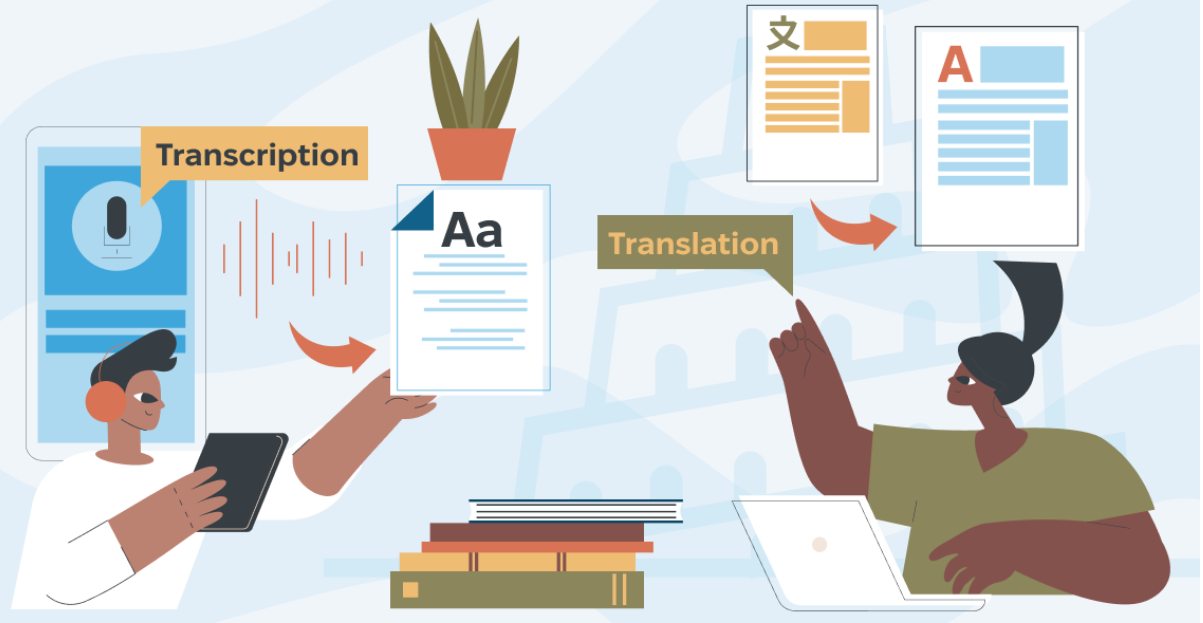
Translation vs. Transcription: What Is the Difference?

What Is Transliteration? How It Differs From Translation and Transcription