Cultural adaptation of advertising campaigns into Ukrainian

When entering a new market or launching an advertising campaign, you always want to put your best foot forward. That’s where cultural adaptation services come in handy, helping refine your marketing strategy for selected country or region and find a solid ground to reach your local audience. If you are looking for guidance on how to capture your Ukrainian audience’s attention and keep it in the long-term, then you are on the right track.
In this article you will find out what cultural adaptation is, what makes it a good choice for your advertising campaigns, what steps should you take to develop your marketing localization strategy and how to tackle some known challenges. In addition, we will look at some examples of advertising campaigns that were successfully adapted to Ukrainian market.
What is cultural adaptation and why it matters for your branding?
But let’s start from the beginning. There is a significant difference between translation and cultural adaptation services, not only in the matter of work, but also in required costs and time. In order to understand how it fits into your marketing and localization strategy, let’s first cover some basics.
Definition of cultural adaptation
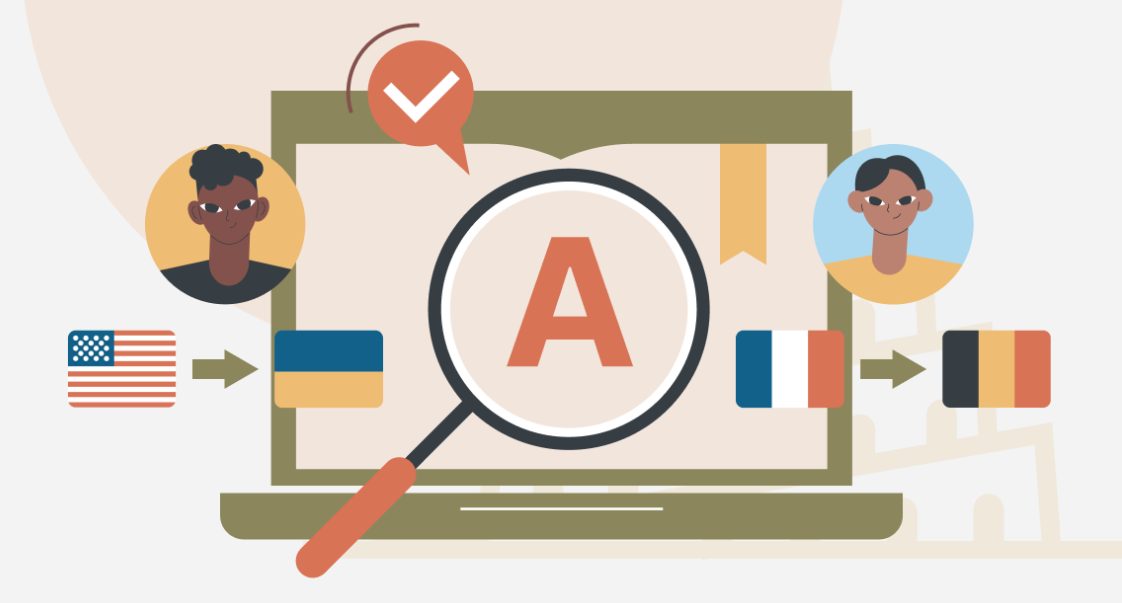
Cultural adaptation is the process of translating content that goes beyond creating a linguistically accurate copy and aims for making it feel natural, appropriate and relevant to a specific target culture. In order to achieve this result, linguists are required to go beyond word-for-word approach and take creative liberties to reshape messaging, tone, cultural references, humor, formatting and even entire concepts, so the message resonates with the local audience.
Why Ukrainian market is more relevant than ever
Despite the security challenges, Ukrainian market remains one of the most promising in Eastern Europe, with more and more global companies of various sizes introducing themselves into this new environment. Ukraine is a resilient, identity-driven and increasingly European-oriented country where cultural sensitivity and authenticity directly impact brand trust and loyalty.
Companies looking to enter this market now can expect quick and reliable results, comparatively easy integration and low competitiveness (for now). To achieve these inspiring results, it’s important to understand Ukrainian consumers, respect their national identity and be aware of the social and political situation.
In post-2022 Ukraine, marketing and media landscape in general has shifted. More and more people are rejecting “russian is enough” approach in localization and intentionally look for Ukrainian-language content—books, music, entertainment, learning, you name it. Considering this and the ever-changing security situation, international companies may be hesitant to enter this new market at the moment, but there are more business advantages to be considered besides doubt: growth of entrepreneurship, global partnerships and e-commerce, rapid increase in digitalization, active social media audience and the ever present curiosity about anything and everything innovative that persists in minds and hearts of Ukrainians.
Who can provide quality localization services
When choosing a marketing localization partner for purposes of cultural adaptation, it’s important to remember several key factors. Cultural adaptation is one of the most complex areas of translation, as it is a highly sensitive and time-consuming service that requires both vast knowledge of culture-specific nuances and expertise in localization in general. The choice is vast—from a specialized localization agency to talented freelances—but there are some general points to always keep in mind.
Your ideal localization partner should:
- Be professional. They must be able to provide competent services, consistent quality control and respect your confidentiality standards.
- Be available. Even the best of the best can’t be in two places at once, so make sure your partner is able to devote sufficient time to your project.
- Be a native speaker. It is important so they understand all linguistic nuances, cultural references, idiomatic expressions and tone subtleties of Ukrainian language.
- Have expertise in your industry. Ideally your partner should already have some background in your area or at least in marketing localization in general.
- Have knowledge of the market. In addition, your partner should be familiar with Ukrainian consumer behavior, media landscape, regulatory environment and current socio-cultural context.
- Understand when and how to use automated translation tools. Just like a hammer or a hydraulic press, they are the most useful when at the hands of a professional.
Steps to adapt an advertising campaign
Now that we have figured out what cultural adaptation is, lets take a look at an actionable roadmap of steps required to implement it into your localization strategy. When done right, quality cultural adaptation can shape positive perception of your brand, create emotional connection with your Ukrainian audience, help avoid reputational risks and give you a competitive advantage for both short-term goals and building long-term loyalty. Here are some core steps to successful cultural adaptation.
Step 1. Market and audience research
- Analyze your Ukrainian audience and their behavior. Who are they? What do they want? What value your business provides to them? If you are launching an advertising campaign, your marketing team probably already has some answers to these questions. Now is the time to cross-check them in context of your Ukrainian audience.
- Study local and global competitors. It’s always good to know who your competitors are, so you can analyze their approach and current advertising strategies on the market.
- Identify relevant cultural values and taboos. Your localization team should be able to provide you with basic information about current cultural landscape and socio-political atmosphere, but there is no such thing as too much research.
Step 2. Linguistic localization
- Find a marketing localization agency or partner. All the advice from above should come in handy now. Don’t be shy to contact several candidates or give them a test job before making a final choice.
- Brainstorm core message and copy adjustments. The more humans will apply their brainpower to your message, the better—after all, an advertising campaign should be attractive to as many people as possible. Your localization partner will provide their feedback on what works and what needs to be edited, but it’s up to you to make a decision.
- Implement the necessary changes. Allow your localization partner to do their job and implement all the good ideas you collected together into a comprehensive product.
Step 3. Cultural adjustment
- Check tone of voice. Back to the brainstorming with this one. Once localization is complete, review the end results with your team and see how well everything blends together. Is your advertising message clear? Are slogans catchy enough? Do you need to make the tone more formal or informal?
- Review imagery, symbols, visuals, sounds. Besides text, there are many other aspects of your campaign that might need to be checked. Make sure they are all relevant, thoughtful and respectful of target audience. For example, Ukrainian audience might not appreciate messages that remind them of traumatic events (like Holodomor) or distant sounds of sirens or explosions in the background of a promo video.
- Adapt humor and emotional triggers. Humor is very subjective and local, but most importantly it should remain lighthearted, inoffensive and respectful.
- Ensure representation feels authentic. Make sure your message appeals to target audience and you are not overusing stereotypes about Ukrainian people or culture.
Step 4. Legal and regulatory compliance
- Make sure you comply with Ukrainian advertising regulations. Be especially careful if advertisement of your product or service is considered regulated in Ukraine, like alcohol, tobacco or gambling.
- Check language law compliance. According to the law, Ukrainian is the language of all advertisements in Ukraine. If parts of your branding or core messages have to stay in native language, make sure you check the regulations and add Ukrainian translation or transliteration, where relevant.
- Review industry-specific requirements. Check if there are any specific requirements or common practices for your industry.
Step 5. Testing and feedback
- Create focus groups of Ukrainian audiences. Gather some opinions about your end product from people in your audience—it’s the best way to find out what works and what doesn’t.
- A/B test your advertising campaigns. It’s a good common practice to A/B test your campaigns, but it can be especially helpful if you are unsure about what option to choose or how some advertising message will land in a local market.
- Monitor social media sentiment. Social media is a great platform for all sorts of soft-launches and it can give you a general feedback on your marketing efforts in a low-risk environment.
- React quickly to cultural shifts. Sometimes a thing that worked yesterday might not be relevant today anymore, especially in such dynamic market as Ukrainian. Stay in the know of things that are going on in your industry, local marketing landscape and country in general.
Examples of successful cultural adaptation and some common mistakes
Let's take a look at some examples. Hopefully, some of those can help you find inspiration for developing your own localization strategy in Ukrainian market and discover helpful information on nuances of perception.
Coca-Cola: “Share a Coke” (“Ділись Кока-Кола”) campaign
This campaign replaced the logo on bottles with popular names, nicknames, and titles to encourage personalized sharing. It was a massive success in many countries, including Ukraine, due to effective cultural adaptation.
Key to success: The bottles featured native Ukrainian names (“Тарас”, “Олена”), instead of copying Russian ones, and some commonly used terms of endearment (“кохана”, “класний”).
PepsiCo: Flamin’ Hot brand and product launch
This advertising campaign introduced a well-known line of spicy snacks to Ukrainian market. While the colors, visual style and font remain the same as in other international campaigns of the same brand, the wording was picked very carefully to avoid any negative connotations.
Key to success: Thanks to attention to details and quality cultural adaptation the famous taste of snacks, described as “burning” or even “explosive” in global campaigns, turned into “piquant” and “fierce” for Ukrainian market, effectively avoiding any brand risks.
AliExpress: geographical and situational product targeting
Building on recent high consumer demand for certain categories of products in Ukraine (such as power banks, inverters, solar panels, Li‑Fe‑PO4 batteries and so on), AliExpress refreshed it’s targeted advertisements to list benefits, relevant specifically to Ukrainian users.
Key to success: While the same products for European market might be advertised as “camping”, “off-grid” or “campervan-friendly”, the same offerings in Ukraine feature keywords like “tactical”, “blackout” and “emergency”, at the same time mentioning locally relevant benefits, like “delivery from local warehouse”.
Not every case is a total success. To make sure your campaign lands in Ukrainian market, keep an eye out for these common mistakes:
- Settling for literal, word-to-word translations
- Loaning Russian messages instead of developing a unique Ukrainian brand voice
- Ignoring the Ukrainian language preference
- Demonstrating lack of context awareness
- Overusing stereotypes about Ukrainian culture
- Not accounting for sensitive wartime topics
- Using inappropriate humor or easy-to-misunderstand wordplay
- Ignoring or underestimating regulatory requirements
- Treating Ukraine as just another Eastern European market
- Skipping local testing before launch or not accounting for feedback
Lessons learned and recommendations
Effective cultural adaptation for Ukrainian locale requires commitment to authenticity, sensitivity and respectful approach. With the right tools, actionable information and a reliable team, you are sure to develop a strong marketing strategy, build your brand’s presence and gain trust of local consumers.
Key Lessons:
- Choice of language and words is strategic
- Situational context in Ukraine can shift rapidly
- Emotional intelligence is the way to win trust of your audience
- Local partnerships increase success rates
- Brainstorms, testing and feedback are the best tools to shape your strategy
Recommended content
Glossary Creation for Translation Projects: Why It Matters

Localizing E-learning Platforms and Educational Content

How to Localize Forms, Buttons, and Error Messages

Voiceover Best Practices for Ukrainian Content