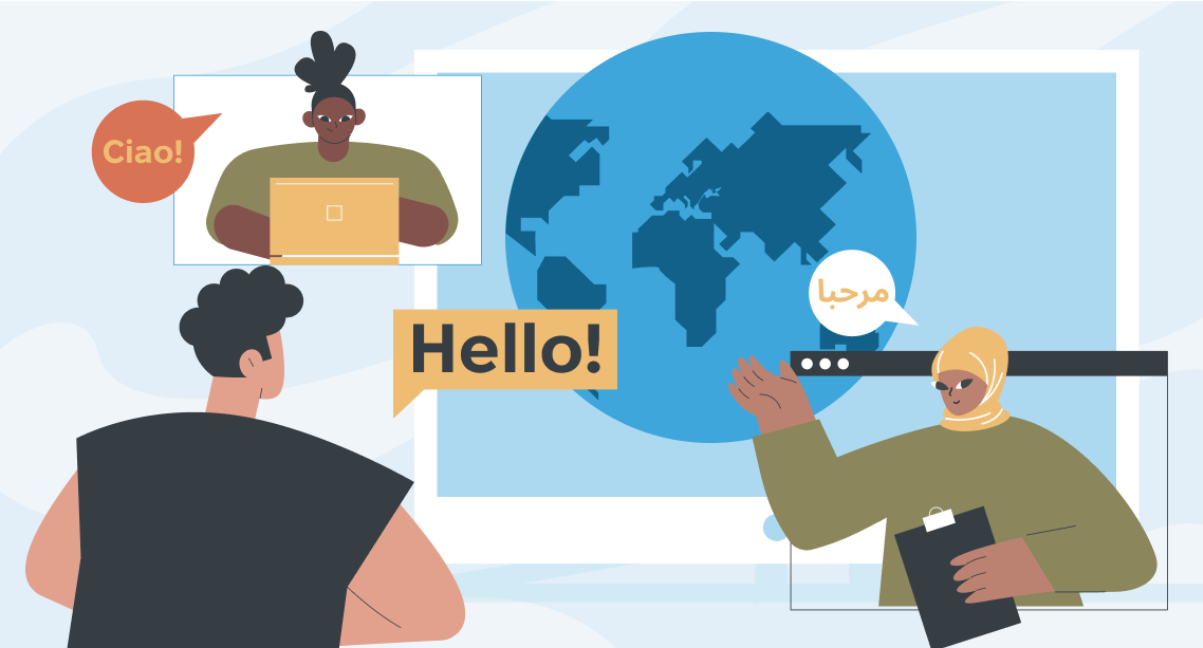
How to Ensure Consistency Across Large Translation Projects
Ensuring consistency across large translation projects is one of the biggest challenges in modern localization. When dozens of translators, editors, and tools work on the same product, even small inconsistencies in terminology or tone can undermine brand credibility. Effective translation project management is not just about speed and cost—it’s about delivering a coherent, unified message in every target language, including Ukrainian and other high-growth markets.
Why consistency is critical
Consistency in translation directly affects how users perceive a brand. Inconsistent terminology, tone, or formatting creates confusion and reduces trust, especially in software, legal, and technical content. From a localization perspective, consistency ensures that the same concept is consistently expressed, regardless of who translates it or when.
For large projects, consistency also improves efficiency. When teams rely on shared linguistic assets such as translation memory and glossaries, they reduce rework, speed up delivery, and maintain high quality across releases. In short, consistency is both a quality requirement and a cost-control mechanism in managing translation at scale.
Managing terminology and style
Creating and maintaining glossaries
A well-maintained glossary is a great base for terminology management. It defines approved terms, preferred translations, and usage notes, helping translators make consistent choices across the project.
A good glossary should include:
- Source term and approved target-language equivalent
- Part of speech and context
- Do-not-translate flags (for brand or product names)
- Notes on usage or tone
For Ukrainian translation projects, glossaries are especially important given ongoing terminology standardization across technology, UI, and public-sector content. Without a shared glossary, teams risk using parallel terms, which can fragment the user experience.
A glossary is not a static document—it must evolve alongside the product and be reviewed regularly.
Aligning team practices
Tools not only help achieve consistency. All contributors must follow the same translation workflow and stylistic rules. This requires:
- A clear style guide defining tone, formality, punctuation, and capitalization
- Onboarding sessions for new linguists
- Regular communication between translators, reviewers, and project managers
When teams are aligned, decisions made by one linguist do not conflict with those made by another. This alignment is essential in long-running localization projects with multiple releases.
Common challenges in large projects
Large translation projects face recurring consistency issues, including:
| Challenge | Impact |
| Multiple translators working in parallel | Terminology drift |
| Incomplete or outdated translation memory | Inconsistent phrasing |
| Tight deadlines | Skipped quality checks |
| Poor handover between phases | Loss of linguistic context |
Another frequent issue is over-reliance on automation. While translation memory improves consistency, it can also propagate outdated or incorrect translations if not curated. Effective translation project management requires regular audits of linguistic assets, not just their existence.
Real-life examples and lessons learned
Consider a global SaaS company localizing its platform into Ukrainian and some EU languages. Initially, different vendors translated UI strings independently. As a result, core terms such as “dashboard” and “workspace” appeared in multiple variants throughout the product.
After implementing centralized terminology management, a shared glossary, and a unified translation workflow, the company achieved measurable improvements:
- Fewer linguistic bugs reported by users
- Faster onboarding of new translators
- Stronger brand consistency across markets
The key lesson is simple: consistency must be designed into the process, not fixed at the end. Investing time in structure, documentation, and team alignment pays off as projects scale.
Final thoughts
Maintaining consistency across large translation projects is a strategic effort that combines people, processes, and technology. By prioritizing terminology management, aligning team practices, and continuously refining the translation workflow, organizations can deliver high-quality localization that strengthens their brand.
Whether you are managing translation for a single language like Ukrainian or coordinating a multilingual rollout, consistency is what turns translated content into a cohesive global experience.
Recommended content
How to Run a Tender for Ukrainian Translation Services

How to Localize E-commerce Product Descriptions to Boost Global Conversion Rates
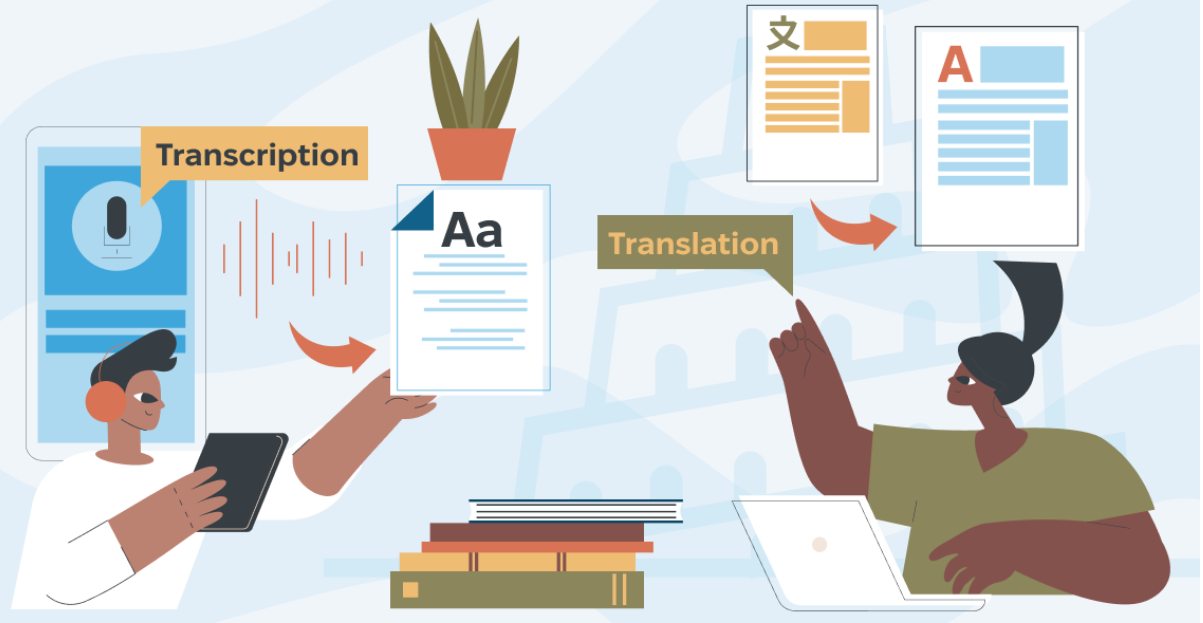
Translation vs. Transcription: What Is the Difference?

What Is Transliteration? How It Differs From Translation and Transcription