Haiti not Tahiti, Dominicana not Dominica
Linguogeographic notes
The country of Haiti occupies a third of the island of Hispaniola, once called Hayti and still called so in many languages, other than Romano-Germanic, due to the confusion of their speakers. The remaining two-thirds is occupied by the Dominican Republic, sometimes also called Dominicana. A highly puzzling region.
Haiti is the poorest country in the Western Hemisphere and the only independent nation in both Americas where French is the dominant language. In Canada, it is spoken only by 21% of the population. Dominicana is Hispanic and doing very well economically. Relations between the countries are quite tense.
Haiti should not be confused with Tahiti, which is located on the other side of the Earth, in the middle of the Pacific Ocean, and has nothing to do with Haiti (this happens).
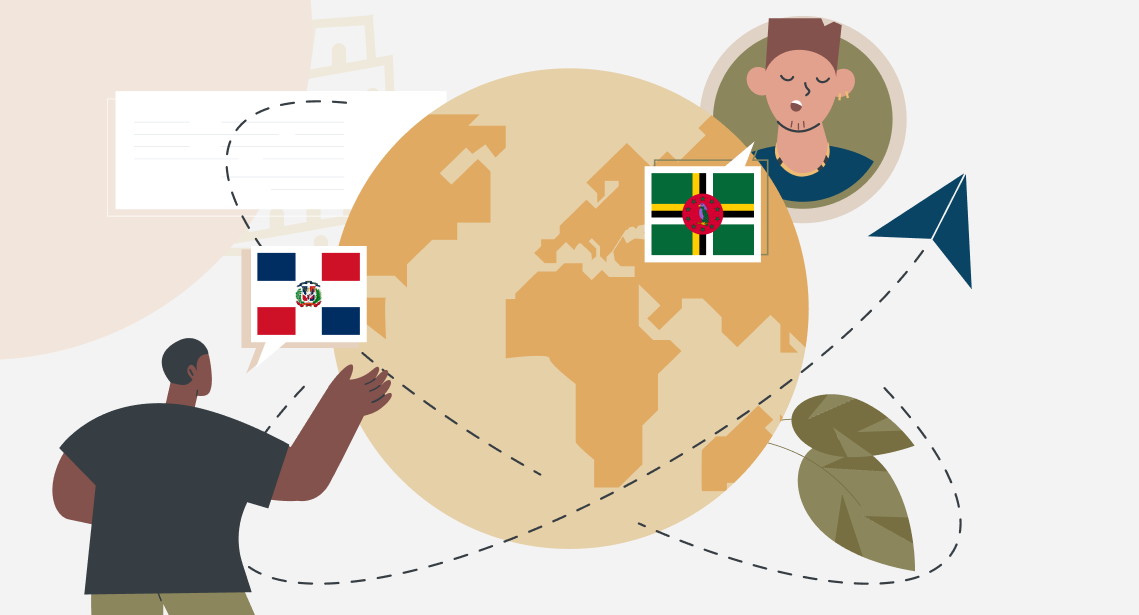
And the Dominican Republic needs to be distinguished from Dominica. They, on the contrary, have a lot in common.
Both of these countries are located in the Antilles at a distance of 900 km from each other. The etymology of their names is the same: both countries are named after Sundays (domingo in Spanish means “Sunday”). But the Sundays were different.
Dominica was discovered by none other than Christopher Columbus on one Sunday in 1493.
The Dominican Republic was named after its main city, Santo Domingo (translated from Spanish as “Holy Sunday”). The city was also founded by Columbus, but another one—Bartholomew, brother of Christopher, and also on Sunday, but three years later, in 1496.
And one more thing: the Dominicans who are the people of the Dominican Republic should not be confused with the Dominicans who are members of the mendicant order founded by Saint Dominic more than four centuries before the Dominican Republic was discovered.
Recommended content

How Machine Translation Works

How to Fix the “Failed to Save Target Content. Cannot Find File Type Definition” Error in Trados Studio

The Easiest Way to Identify the Language of a Text

How to Fix the “LNG Is Missing” Error in MultiTerm