We Have ChatGPT, So Why Would We Need Translation Services?

That was the question we were asked at one of the business conferences in Ukraine. Indeed, why? Let us explain.
Foremost, we won’t tell you that ChatGPT, DeepL, or Google Translate don’t work. They do. But not always perfectly, and sometimes you can find yourself in an awkward situation if you blindly trust AI.
How do you think AI got the ability to translate? It has “read” translations done by humans and “learned” from them. The problem is that many of his “teachers” made mistakes. Not all were professional translators; some just “knew the language.” As a result, AI translation tools inevitably learn and reproduce those mistakes.
Another factor is the amount of data used for machine learning. In some language pairs (like English to Ukrainian and vice versa), there is far less data available than for popular pairs like English to German.
And finally, many customers have their own standards, glossaries, and style guides that must be followed. Certain types of content also require human creativity and a deep understanding of context.
So, to make a long story short: if the text is important, you can’t just publish an unchecked machine translation. You always need a human to review it and make sure it meets your requirements, and won’t put you in a bad situation. There are countless examples of such problems. Here are just two:
- When Trump’s envoy, Keith Kellogg, arrived in Kyiv. His first name, “Keith,” is spelled as “Кіт” in Ukrainian, which also means “cat.” The English AI-translated version ultimately resulted in “Kellogg the Cat.” This sparked amusing memes, but in other cases, the consequences could be damaging to reputation, finances, or even lives.
- Rebecca Yarros’s book Iron Flame was machine-translated into Ukrainian and printed for sale. Readers found it nearly impossible to read. A revised version was officially released, this time by professional translators. The machine version went straight to the dustbin when the readers discovered they had been sold a fake Ukrainian translation. Imagine how negatively the book’s impression suffered because the Ukrainian translation was generated by a machine.
We will unveil a secret for you: professional linguists may sometimes use machine translation themselves. But they use it as a tool, not as a replacement for themselves. Sometimes they train their own engines for quite specific texts. But it all still requires skills.
This applies not only to translation, but to any other professional services. For instance, we need pictures to illustrate this article, and they should fit the style of this website. AI-generated pictures won’t fit the standards, so we still use a professional designer, even if that designer may use AI as a tool.
* * *
So, if you want to use ChatGPT, Google Translate, or DeepL to get the gist of a text for yourself, that’s completely fine. Or if no one will really read the text, if it just “has to exist,” then professional linguists aren’t necessary. But to be confident of the quality of your documentation, contracts, marketing materials, localized interfaces, and so on, always use human linguists.
Recommended content

How to Run a Tender for Ukrainian Translation Services

How to Localize E-commerce Product Descriptions to Boost Global Conversion Rates
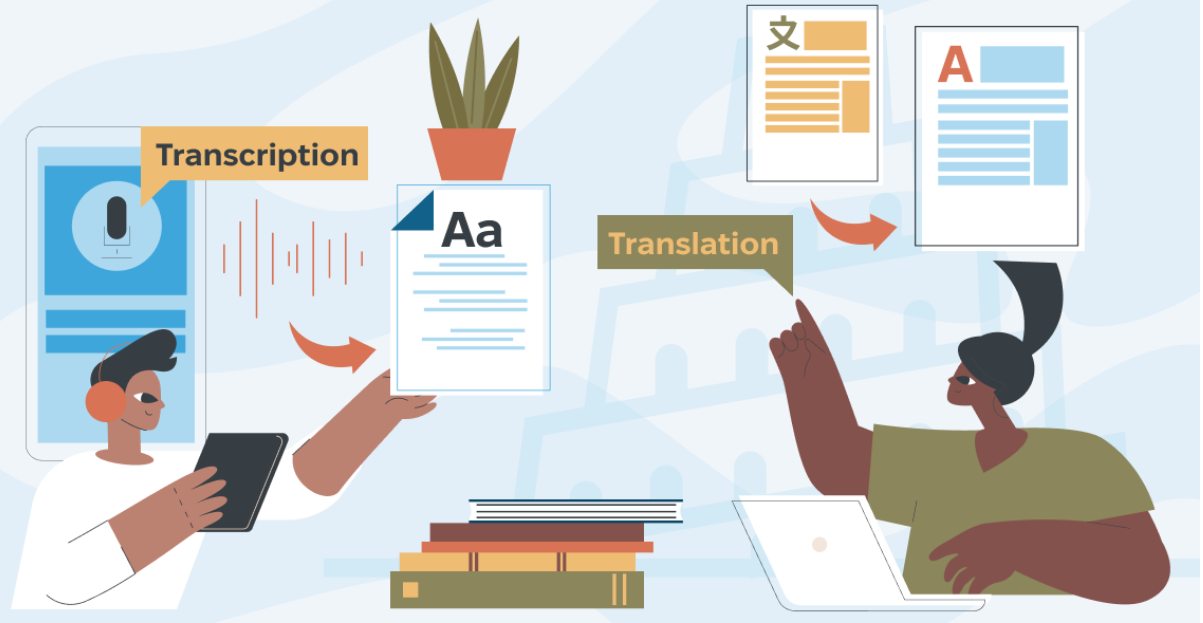
Translation vs. Transcription: What Is the Difference?
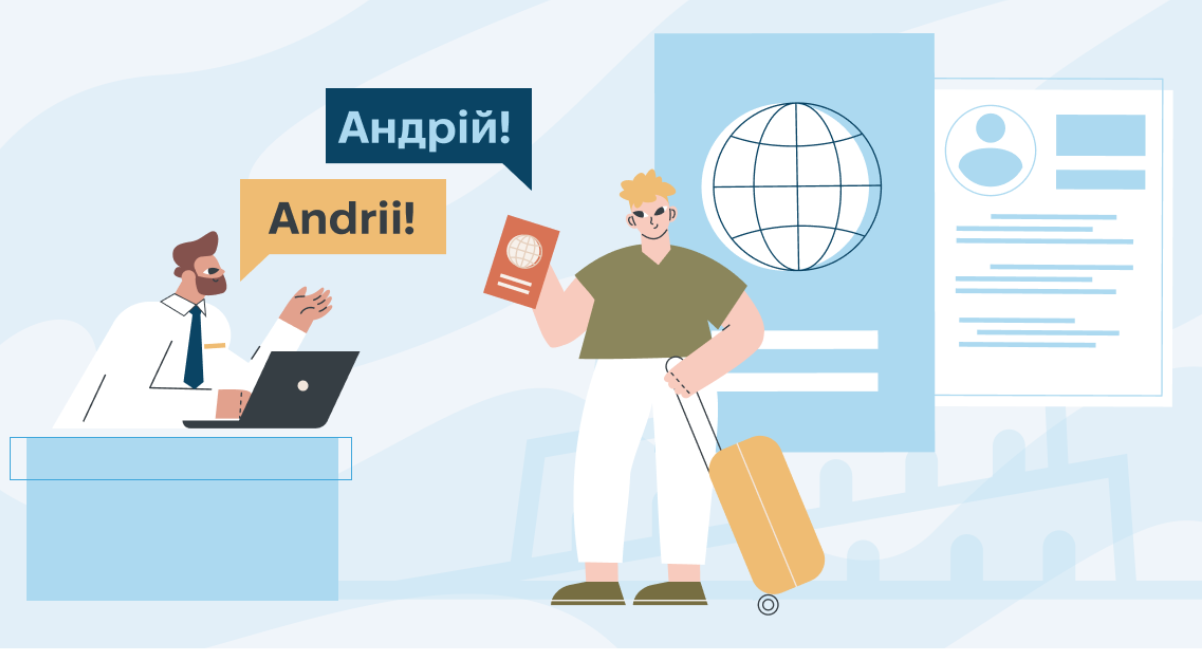
What Is Transliteration? How It Differs From Translation and Transcription