Blog
our blog What do you need
What do you need
to find out?
Our rich database of linguistic insights is here to help you, you can search for information by keywords or by category of materials (news, tips, articles).
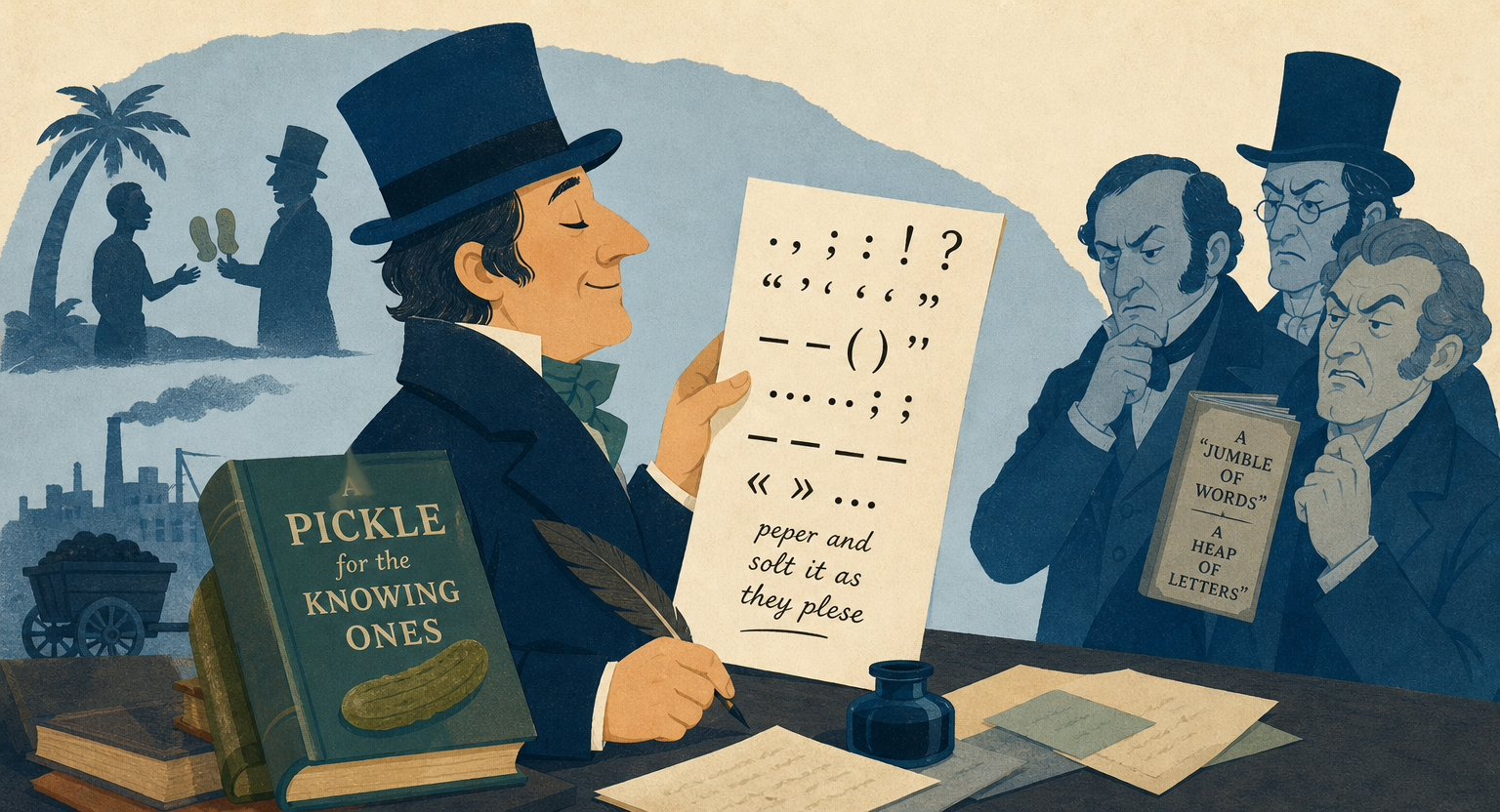
Telegram post #2725 – Test project please ignore · English
Post #2725 🔣 The American entrepreneur Timothy Dexter was considered poorly educated. He shocked his contemporaries with his eccentric ideas: he somehow managed to sell foot warmers to the natives of the hot Caribbean islands, traded coal in Newcastle, then the center of England’s coal industry, where there was plenty of local coal, and so […]
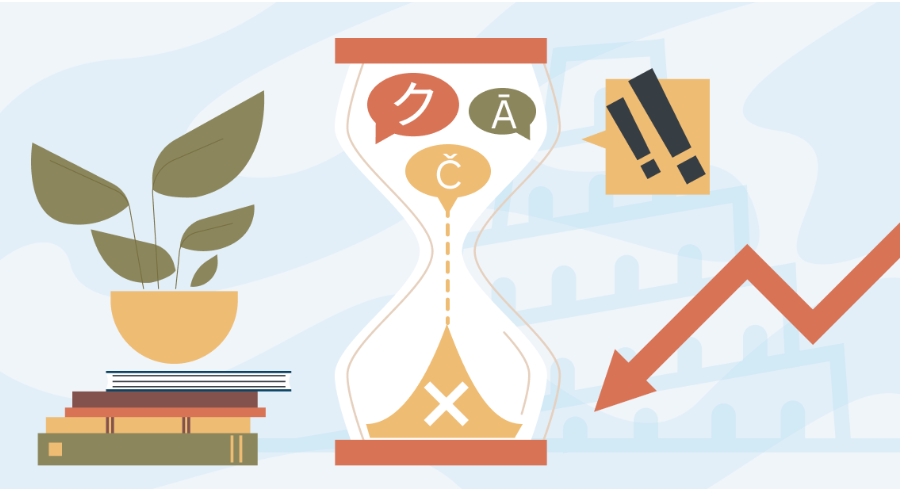
Why do languages become endangered? Causes and Examples
Every fourteen days, a human tongue falls silent. When a language disappears, people lose more than words. They lose traditions and knowledge passed between generations. Many communities face this risk today. Understanding why languages disappear is the first step toward protecting them. What an endangered language is Linguists define endangered language as one that may […]
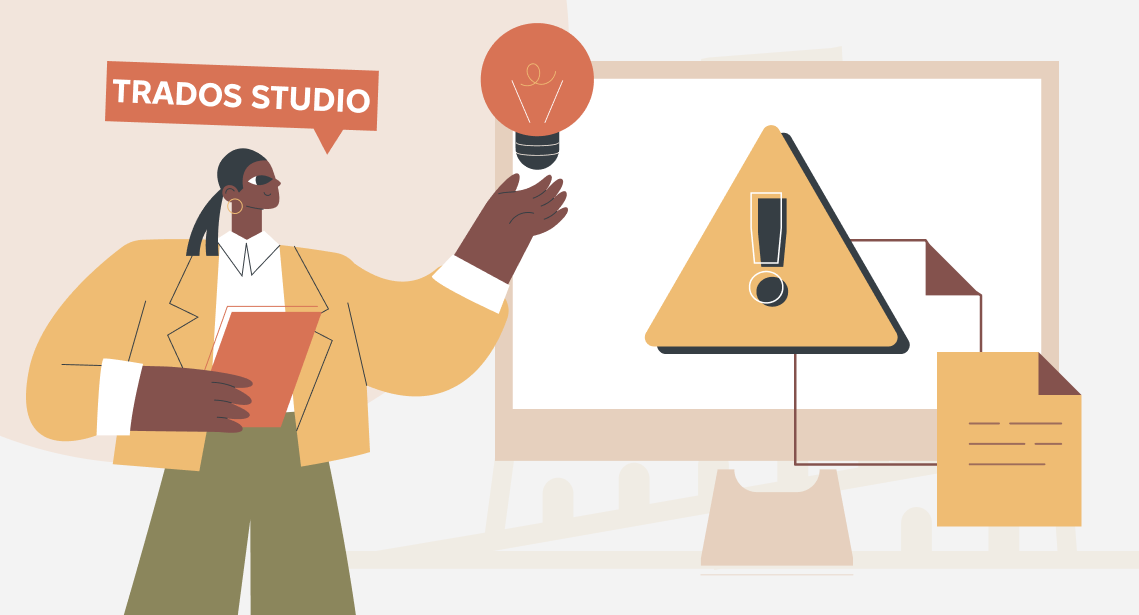
How to Fix the “Corrupt File: Missing Locked Content for …” Error in Trados Studio
Another Trados Studio error Let’s take a look at an error message that may appear when you try to open a document in Trados Studio: Corrupt file: Missing locked content for “…” Trados Studio itself is most likely not to blame. The error usually occurs because the file was processed in another CAT tool that […]
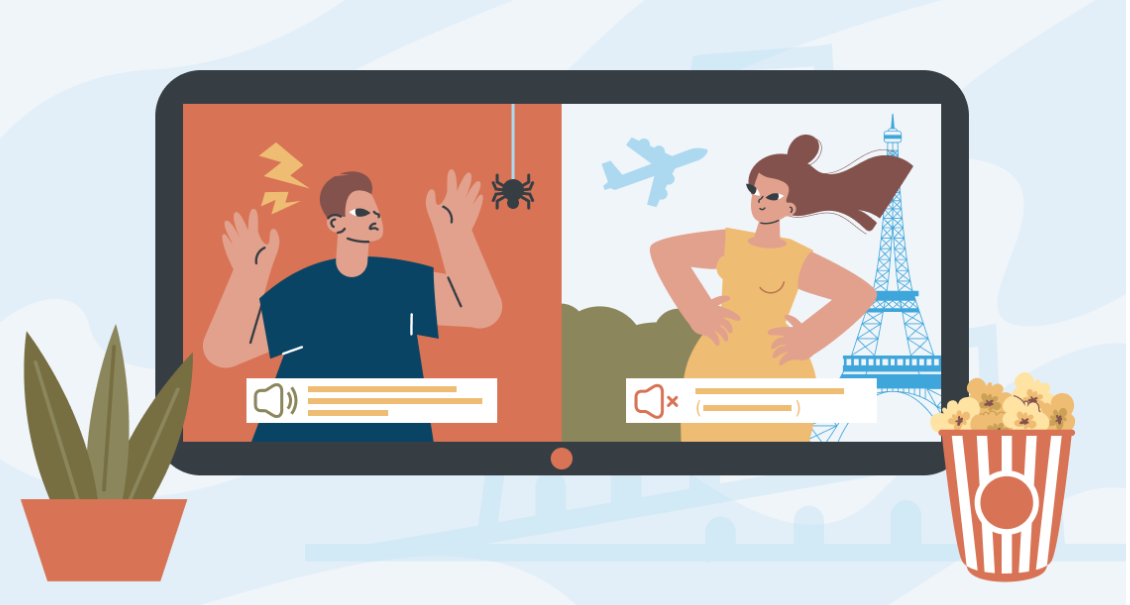
Subtitles vs. Captions: What’s the Difference?
You watch a video with the sound off. Text appears on your screen. Do you read captions or subtitles? Most people use these terms interchangeably, but they serve different purposes. One format bridges a language gap. The other format opens access for people with hearing loss. Choosing the wrong option may hurt viewer engagement. That […]
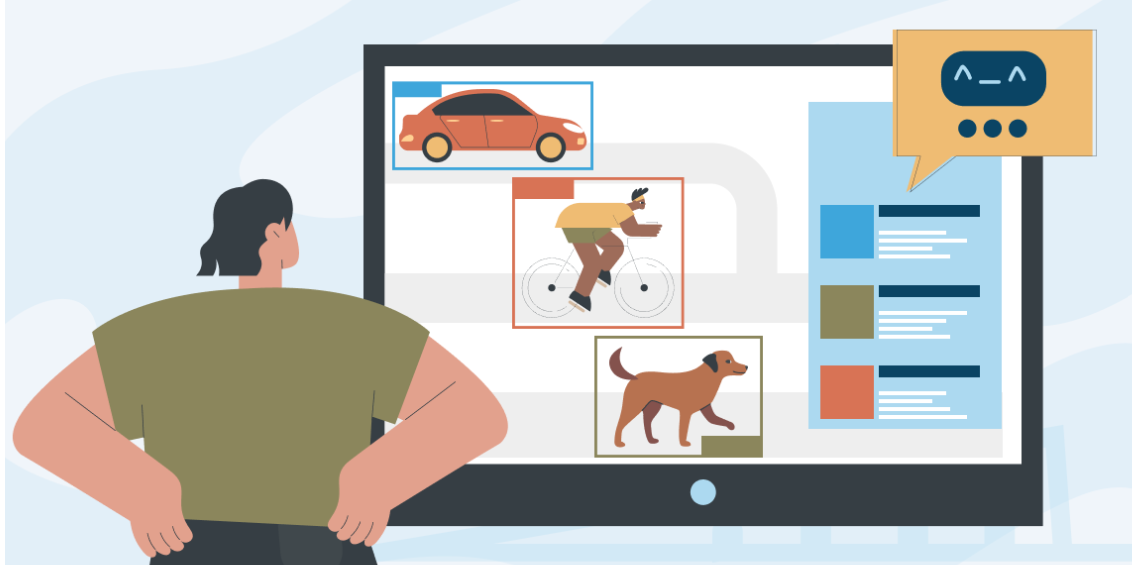
What Is Data Annotation for AI? A Guide to Labeled Training Data
What data annotation for AI is AI data annotation is the process of labeling and organizing raw data so artificial intelligence (AI) systems can recognize patterns, interpret information, and make accurate predictions. It involves adding meaningful tags, categories, or contextual details to datasets used to train machine learning models. For example, annotators may label images […]
AI or Human Translation? How to Choose the Right Approach
The global landscape of communication is shifting at an unprecedented pace. For businesses, content creators, and organizations expanding into new markets, breaking language barriers is now a core operational necessity. However, the methodology behind localization has raised important questions recently. Organizations are constantly forced to evaluate the efficiency, accuracy, and scalability of their localization efforts, […]

Localizing Voice-Overs for Corporate Training: How to Choose the Right Accent and Tone
Global companies increasingly depend on e-learning to train employees across different regions, languages, and cultural environments. However, effective localization requires more than translating written content. The voice employees hear during training influences how they perceive the message, connect with the company, and retain new knowledge. A professional voice-over creates a learning experience that feels relevant […]

How Machine Translation Works
A metaphor for the machine translation process Imagine this: you are sitting in a room. It is sparsely furnished, with nothing but a desk, a chair, and an enormous bookcase. The shelves are packed with books, but every book has exactly the same cover, making them impossible to tell apart. You are good at your […]

Cultural Adaptation of Legal Disclaimers and Privacy Policies for International Sites
The intersection of law and culture in global digital privacy demonstrates that legal compliance is not limited to translating regulations into different languages. International websites must consider how users from different regions understand privacy, consent, and data protection. Through the cultural adaptation of legal disclaimers, companies can adjust the tone, structure, and explanations of privacy-related […]

