our blog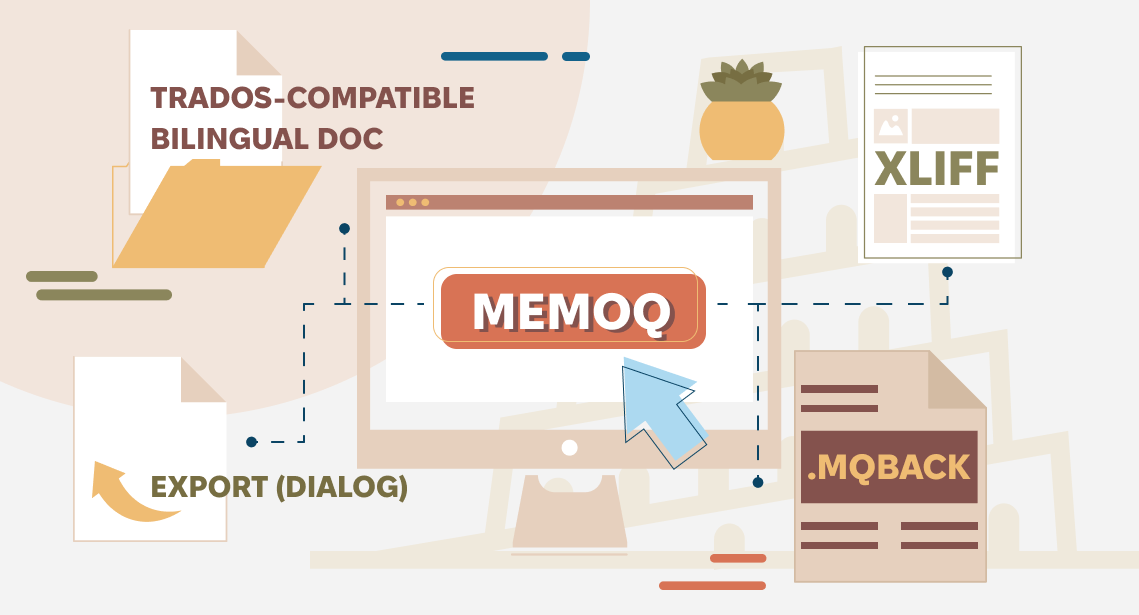
Quick memoQ Reference on Creating Different Types of Files
17 November 2016
This is a quick reference for creating different types of files in memoQ. The file is supposed to already be translated
All commands mentioned below are accessible from the dialog window that appears after right-clicking a file on the Project home tab in memoQ interface.
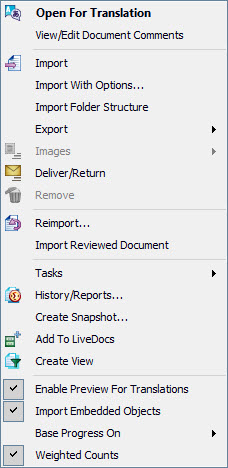
- How to create .mqxlz file:
- Right-click the memoQ file > Export > Export Bilingual > memoQ XLIFF - How to convert memoQ file into Trados-compatible format (as if it was translated in Word with Trados 2007):
- Right-click the memoQ file > Export > Export Bilingual > Trados-compatible bilingual DOC - How to create .mqback file in memoQ:
- Right-click the memoQ file > Deliver/Return - How to create clean file in memoQ:
- Right-click the memoQ file > Export > Export (Dialog)
Recommended content

How to enter characters that are not on the keyboard
About ways to enter characters that are not on the keyboard If you’re working on Windows and need to type something that isn’t on the keyboard, press Win + ;. A small window will appear where you can choose the type of character you want (regular, emoji, or smiley) at the top and specify it […]

How to fix the “Value cannot be null. Parameter name culture” error in Trados Studio
About another error in Trados Studio If you create a project in Trados Studio and when asking to see a preview of the file, it says that you are not cultured enough, Value cannot be null. Parameter name: culture —ignore it: the project will be created properly and everything will be fine. It’s only the […]

Indirect signs that you are losing money
Reflections based on observations Computer Files Programs Word Text Internet

How to type a number in superscript or subscript
About superscript or subscript numbers How do you type a number in the upper or lower index if the text editor has no idea what an index is? For example, in a regular Notepad (and, by the way, in Telegram). This is where Unicode comes in. It has ready-made symbols for numbers in the upper […]

How to quickly adjust the text size on a web page in Windows
About adjusting the text size on a web page in Windows The fastest way to adjust the text size of a web page in Windows is to spin the mouse wheel while holding down the Ctrl key: On laptops that use a touchpad instead of a mouse, you can use the following commands: Plus and Minus […]
