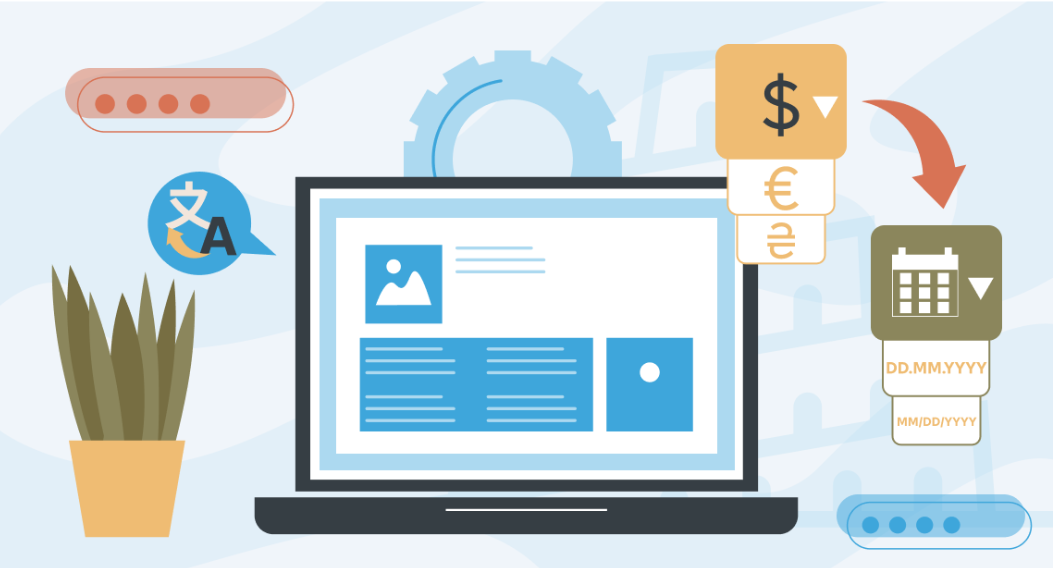
Human-in-the-Loop (HITL) in AI Translation: Why Humans Remain Essential for Brand Content

Artificial intelligence has fundamentally changed how companies approach multilingual communication. What once took weeks can now happen in minutes, and AI-powered translation has become an everyday part of global content operations. As large language models continue to evolve throughout 2026, many organizations are increasingly wondering whether AI can truly replace professional translators.
In this article, we’ll assess how AI is reshaping translation and why the human-in-the-loop model has emerged as the standard for global communication.
The AI translation boom: expectations vs. reality in 2026
Few technologies have transformed the localization industry as quickly as generative AI. Marketing teams now generate product descriptions, landing pages, help-center articles, and social media campaigns in multiple languages almost instantly. The promise of faster turnaround and lower costs is compelling, yet when measured against traditional machine translation post-editing (MTPE) workflows, it becomes clear that successful localization requires more than speed alone.
Even the most advanced large language models (LLMs) continue to produce hallucinations, incorrectly render terminology, overlook cultural nuances, and misunderstand context. While these issues may appear minor individually, they can significantly affect translation quality when published across customer-facing channels.
For brands, translation is not simply about converting words between languages: every piece of localized content represents the company’s identity and values to customers. A single inaccurate phrase can weaken brand voice, reduce consistency, or create confusion among clients. As AI adoption grows, businesses are discovering that automation works best when paired with experienced linguistic review rather than replacing it altogether.
What human-in-the-loop in the localization industry is
Human-in-the-loop (HITL) translation is a collaborative workflow in which artificial intelligence generates the initial translation while professional linguists review, refine, and validate the output before publication. Instead of viewing AI as a replacement, HITL positions it as an intelligent assistant.
A typical HITL localization framework begins with AI generating the initial translation to accelerate production. Professional linguists then review the text for grammar, terminology, style, and factual accuracy, while subject-matter experts validate specialized content where necessary. Native-speaking reviewers adapt cultural references and ensure the message feels authentic for the local audience before the content undergoes a final quality assurance check prior to publication.
This process differs substantially from traditional machine translation and human editing since today’s AI systems generate far more natural text. Nonetheless, outputs require evaluation to ensure they accurately reflect the original message. The goal is not simply to correct mistakes, but to produce content that reads as if it were originally written for the target audience.
The blind spots of GenAI: why AI alone risks your brand’s reputation
Generative AI is good at recognizing language patterns, but it does not genuinely understand brand identity, customer expectations, or local market perception. These limitations become especially apparent in marketing and localization projects.
Brand voice cannot be automated completely
Every organization develops a distinctive tone over time. Whether the brand sounds authoritative, conversational, innovative, or premium, maintaining that voice across dozens of languages requires intentional editorial judgment.
AI often produces grammatically correct translations while subtly shifting tone. The resulting content may sound generic, inconsistent, or disconnected from previous communications. For global companies investing heavily in brand content localization, these subtle inconsistencies gradually erode customer trust.
Cultural context extends beyond vocabulary
Literal accuracy does not guarantee effective communication. Native linguists recognize humor, symbolism, idioms, regional sensitivities, and market-specific expectations that AI frequently overlooks.
Successfully adapting these elements requires genuine cultural understanding. On the contrary, ignoring these cultural nuances increases the likelihood of campaigns that feel unnatural—or worse, offensive—to local audiences.
Hallucinations remain a business risk
Although AI systems continue to improve, they still occasionally invent product features or produce factually incorrect statements.
These automated translation errors may seem rare, but they become costly when published in legal documentation, healthcare materials, technical manuals, or regulated industries. Human oversight remains the most effective form of reputational risk mitigation.
The power of synergy: what humans bring to the AI translation loop
While AI contributes speed, professional translators contribute judgment. Together, they produce stronger outcomes than either could typically achieve independently.
Experienced linguists strengthen AI-generated translations by bringing contextual awareness that extends beyond literal wording. They maintain consistent terminology across departments, adapt messaging for different cultures, refine style and readability, apply industry-specific expertise, and perform the final quality assurance needed before content reaches customers.
This combination has reshaped AI translation for brands from a purely technological solution into a collaborative creative process, forming the basis of a hybrid localization strategy. In some cases, direct translation should be replaced entirely with transcreation: marketing slogans, advertising campaigns, and emotionally driven messaging often require entirely new phrasing to achieve the same impact across cultures. These decisions cannot yet be delegated to algorithms alone.
AI-powered efficiency + human expertise: finding the economic sweet spot
Some organizations assume that adding human review eliminates the cost advantages of AI, yet in practice it often results in more cost-effective localization.
AI significantly reduces the time required to produce first drafts, allowing linguists to focus on high-value editorial work instead of translating every sentence from scratch. This creates a more efficient AI-augmented translation workflow where each participant contributes according to their strengths.
The economic benefits include:
- Faster multilingual publishing
- Lower production costs compared to fully manual translation
- Improved scalability for growing content libraries
- Better localization quality
- Reduced revision cycles
- Stronger long-term content consistency
Rather than replacing translators, AI is changing how they work. Many organizations are discovering that investing in professional translation services in 2026 means adopting technology intelligently—not eliminating human expertise.
Setting up an effective HITL framework for your global content
Building an effective HITL localization framework requires more than involving editors after AI completes its work. Human review should be integrated throughout the localization process. Several best practices consistently produce stronger outcomes.
Define where AI delivers the greatest value
Different types of content require different levels of human involvement. Product catalogs can often be translated with a higher degree of automation, while marketing campaigns typically require substantial editorial refinement to preserve tone and persuasive impact. Legal documentation demands rigorous linguistic validation, and technical materials benefit from reviewers with subject-matter expertise who can verify terminology and accuracy.
Terminology databases, translation memories, and approved style guides help maintain consistency across languages, departments, and future projects—AI performs significantly better when supported by structured linguistic resources.
Build collaborative review cycles
An effective MTPE workflow combines AI output with editors, proofreaders, localization managers, and market specialists. Each participant contributes expertise that improves the final content while minimizing unnecessary revisions.
Measure quality continuously
Successful localization teams look beyond delivery speed. Typically, they monitor:
- Linguistic accuracy
- Brand consistency
- Customer engagement
- Regional performance
- Reviewer feedback
- Recurring error patterns
These insights help organizations refine both their AI systems and their human review processes over time. Continuous improvement ensures that AI becomes more useful over time while human expertise remains focused on the decisions technology cannot reliably make.
Conclusion: why the future of global branding belongs to augmented translators
Artificial intelligence has permanently transformed the localization industry, and its capabilities will continue expanding in the years ahead. However, even the most advanced language models remain tools, not strategic communicators.
Global brands grow by building trust, maintaining a recognizable voice, and connecting authentically with local audiences, often with the support of specialized translation providers. Those objectives depend on experience, cultural understanding, editorial judgment, and accountability—qualities that AI alone cannot replicate.
Organizations that combine AI’s speed with expert linguistic review gain the best of both worlds: scalable multilingual content, stronger quality assurance, improved market resonance, and lasting customer confidence.
As businesses continue expanding into global markets, the organizations that succeed won’t be those that rely on AI alone, but those that embrace AI-augmented translation while recognizing that the final responsibility for meaningful communication still rests with qualified human linguists.
Recommended content
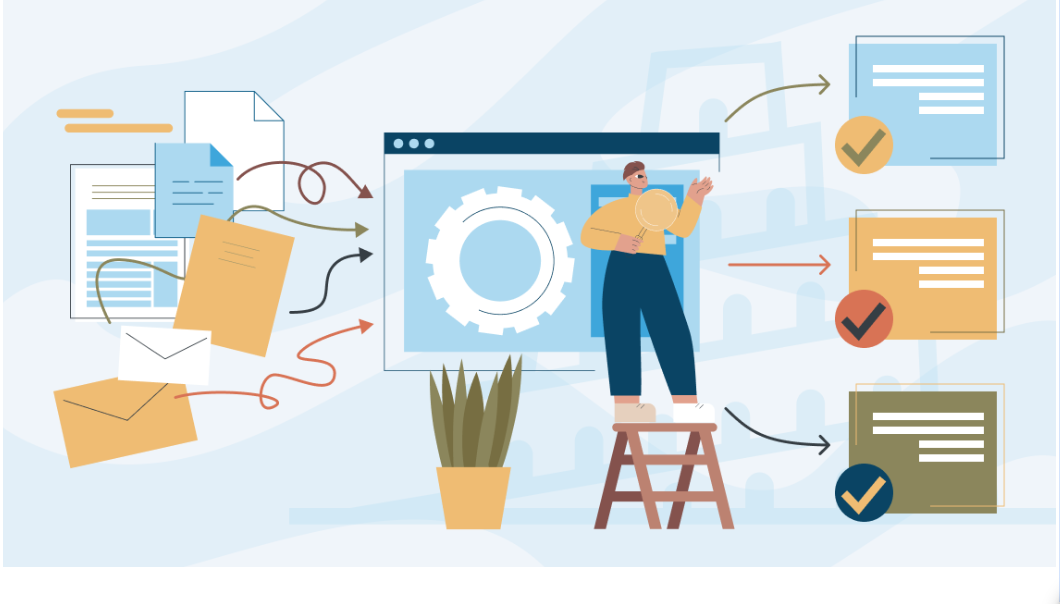
Translation Management Systems Explained: How to Choose the Right Solution for Your Business

Biased Language Explained: How It Affects Translation and Global Communication
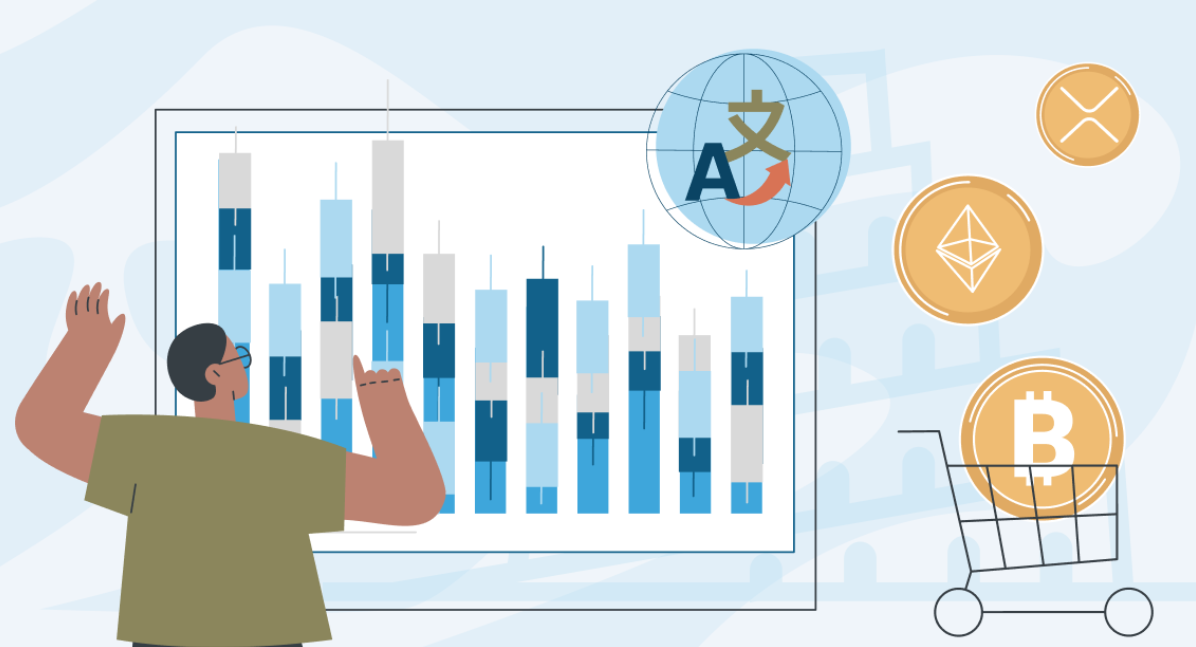
Translating Fintech & Crypto Content: Navigating Emerging Terminology and Compliance
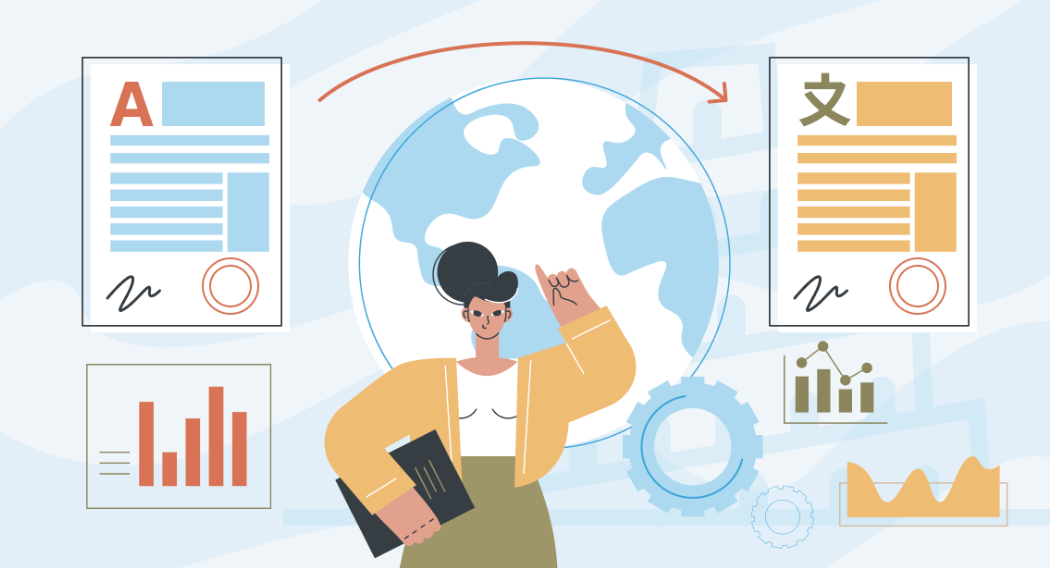
Business Translation: A Complete Guide to Managing Multilingual Communication