Translating Fintech & Crypto Content: Navigating Emerging Terminology and Compliance
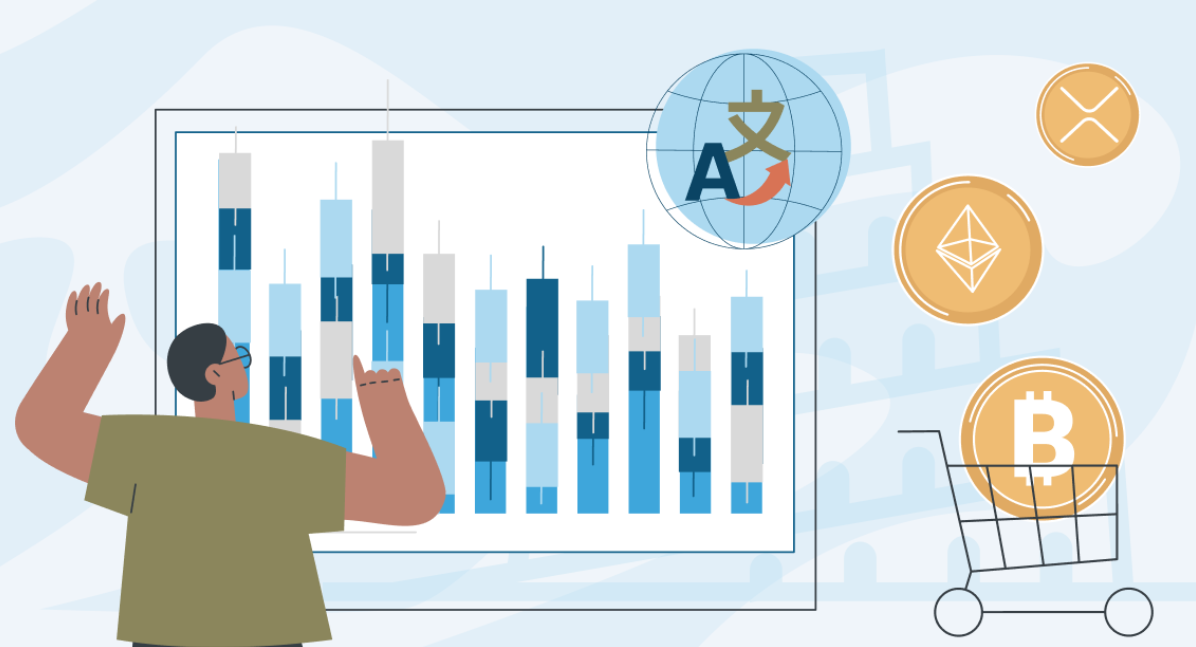
FinTech (Financial Technology) is an industry that combines financial services with modern digital technologies such as mobile payments, artificial intelligence, big data, and blockchain. Its rapid development has contributed to the emergence and adoption of Web3—a new phase of the digital economy built on decentralization, digital ownership, and transparent networks. The connection between FinTech and Web3 can be seen through the adoption of decentralized finance (DeFi), asset tokenization, smart contracts, and digital currencies, which are transforming traditional models of banking and financial services.
Together, FinTech and Web3 are shaping a new financial ecosystem where transactions become faster, more accessible, and increasingly automated. Unlike traditional web platforms, Web3 projects are designed for global audiences from the moment they are launched. Effective Web3 localization strategies help increase user trust, expand communities, and support the successful adoption of Web3 products in international markets.
Best practices for Web3 localization include:
- maintaining a consistent terminology glossary;
- combining internationally recognized English terms with clear explanations;
- involving native speakers and industry experts in translation reviews;
- adapting content to local regulations and cultural contexts;
- regularly updating translations as technologies evolve;
- testing localized interfaces with real users to ensure usability and accessibility.
The linguistic dilemma: Neologisms, slang, and when to leave terms untranslated
Translating Web3 and FinTech content involves numerous challenges, including crypto localization challenges and the adaptation of emerging terminology. Translators and localization specialists often face a linguistic dilemma: whether to create an equivalent in the target language, adapt the term phonetically, or preserve the original English expression to maintain its global recognition.
A particular challenge is the crypto slang localization. Terms such as HODL, WAGMI (We’re All Gonna Make It), NGMI (Not Gonna Make It), DYOR (Do Your Own Research), and to the moon originated in online crypto communities and carry both informational and cultural meanings. Translating these expressions requires careful consideration of context, as a literal translation may lose their emotional impact or connection to crypto culture. In many cases, retaining the original term with an additional explanation is the most effective localization approach.
The approach to translating Web3 terminology depends on the purpose of the content and the needs of the target audience. Technical documentation, legal materials, and developer resources require a high level of precision, as inaccurate translations may lead to misunderstandings of technological concepts or regulatory requirements. This is particularly relevant for areas such as smart contract translation, where terminology must accurately reflect both technical functionality and potential legal implications. In contrast, user-facing and marketing content often requires a more accessible localization approach, combining familiar terminology with clear explanations to ensure that new users can understand complex Web3 concepts without losing their original meaning.
Regulatory compliance: Navigating MiCA, SEC, and global financial advertising rules
As FinTech and Web3 companies expand internationally, financial regulatory compliance has become a fundamental part of product development and localization. Beyond translating interfaces and marketing materials, organizations must ensure that legal content, disclosures, and user communications comply with the regulatory requirements of each jurisdiction. This makes crypto compliance translation and blockchain document translation essential for maintaining legal accuracy, protecting users, and reducing regulatory risk. Localization teams are increasingly involved in adapting compliance documents, policies, and customer-facing content to meet both linguistic and legal standards.
MiCA regulations
In the European Union, the Markets in Crypto-Assets Regulation (MiCA) establishes a unified regulatory framework for crypto-asset issuers and service providers. The regulation requires firms to provide transparent information, publish compliant crypto-asset white papers, and ensure that marketing communications are fair, clear, and not misleading. These requirements extend to terms and conditions localization, user agreements, and product documentation, where consistent terminology and accurate translations are critical for regulatory compliance and consumer protection.
SEC regulations
In the United States, the U.S. Securities and Exchange Commission (SEC) continues to scrutinize digital assets under existing securities laws, particularly when tokens may qualify as investment contracts. This regulatory approach places greater emphasis on accurate disclosures, contractual language, and risk disclaimers that clearly communicate potential financial risks to investors. The same level of precision is increasingly expected in non custodial wallet copy, onboarding instructions, and transaction confirmations, where ambiguous wording could lead to user misunderstandings or regulatory concerns under investor protection laws.
Global financial advertising rules
Globally, financial advertising laws are becoming stricter as regulators seek to prevent misleading investment claims and improve consumer protection. Financial promotions must accurately describe products, present risks as prominently as potential benefits, and avoid guaranteeing profits or minimizing volatility. Consequently, localization is no longer limited to language adaptation—it requires legal and cultural expertise to ensure that advertisements, website content, disclaimers, and promotional campaigns comply with local regulations while remaining clear, trustworthy, and accessible to users.
Localizing the crypto UI/UX: Why clear microcopy prevents costly user errors
When companies translate a cryptocurrency website or localize DeFi applications, they often focus on white papers, marketing pages, and legal documentation while overlooking one of the most critical elements of the user experience: user interface microcopy. These small pieces of text—such as button labels, tooltips, error messages, confirmation dialogs, and transaction prompts—guide users through complex financial actions and help them make informed decisions. In crypto products, where a single incorrect action may result in irreversible asset loss, clear and accurately localized microcopy plays a vital role in reducing confusion, preventing costly user errors, and strengthening user confidence.
Unlike traditional financial applications, Web3 interfaces require users to interact with wallets, smart contracts, token swaps, and blockchain transactions. As a result, localization goes far beyond translating individual strings. To effectively localize DeFi applications, translators must consider technical terminology, cultural expectations, and the context in which users make financial decisions. Well-crafted user interface microcopy uses concise, consistent, and action-oriented language that explains risks, clarifies transaction outcomes, and reassures users at critical moments. By combining precise terminology with user-centered UX writing, organizations that translate cryptocurrency websites can improve usability, build trust, and minimize errors that could otherwise lead to financial losses or abandoned transactions.
The risk of financial misinformation: Disclaimers and terms of service localization
The risk of financial misinformation increases significantly when legal documents, disclaimers, and Terms of Service are translated without sufficient financial or regulatory expertise. Unlike general content, these documents contain legally binding language that must preserve the original meaning across jurisdictions. As a result, financial technology translation requires more than linguistic accuracy—it demands a thorough understanding of regulatory frameworks, market-specific requirements, and emerging financial terminology. An imprecise translation of risk disclosures, liability clauses, or investment statements can mislead users, expose companies to regulatory penalties, and undermine customer confidence.
To minimize these risks, organizations should treat financial technology localization as a strategic compliance process rather than a simple translation task. This includes maintaining consistent glossaries, validating fintech terminology translation with legal and financial experts, and regularly updating localized content as regulations and financial products evolve. Since new concepts in digital finance and Web3 emerge rapidly, translators must also adapt to emerging financial terminology while ensuring that disclaimers and contractual language remain clear, accurate, and culturally appropriate for each target market. Well-localized legal content not only supports regulatory compliance but also reduces the risk of financial misinformation and strengthens user trust in global financial platforms.
Maintaining a dynamic crypto glossary: Best practices for agile fintech brands
As FinTech and Web3 products evolve rapidly, maintaining a dynamic terminology database is essential for ensuring consistency across all communication channels. An effective translation glossary creation process should go beyond compiling approved terms—it should function as a living resource that is continuously updated as new blockchain concepts, token standards, and regulatory terminology emerge. Rather than documenting every possible term, localization teams should prioritize high-impact vocabulary, provide contextual definitions, and establish clear review workflows involving linguists, developers, and subject-matter experts.
A well-maintained glossary also strengthens crypto content localization by ensuring that technical documentation, user interfaces, marketing materials, and legal content use consistent terminology across languages and markets. This reduces ambiguity, improves translation quality, and helps preserve a unified brand voice as products expand globally. Integrating the glossary into translation management systems and regularly reviewing terminology allows agile FinTech brands to adapt quickly to industry changes while maintaining linguistic accuracy and a seamless user experience.
Conclusion: Balancing technical accuracy with local market accessibility
In the rapidly evolving FinTech and Web3 landscape, successful global expansion requires a careful balance between technical accuracy and local market accessibility. Professional fintech translation services play a crucial role in ensuring that complex financial terminology, regulatory requirements, and user-facing content are translated with precision while remaining understandable for diverse audiences.
Effective localization is not only about language conversion but also about adapting products to the expectations, cultural context, and compliance standards of each target market accessibility environment. By combining linguistic expertise, regulatory awareness, and user-centered design, companies can create digital financial experiences that strengthen brand trust and security, reduce communication risks, and build long-term relationships with customers worldwide.
Recommended content

What Is Transliteration? How It Differs From Translation and Transcription
What Is a Lingua Franca? Meaning, Examples, and Common Uses
How Many Languages Are There in the World?

What Is a Language Family? Major Language Families Explained