Blog - page 2
our blog What do you need
What do you need
to find out?
Our rich database of linguistic insights is here to help you, you can search for information by keywords or by category of materials (news, tips, articles).
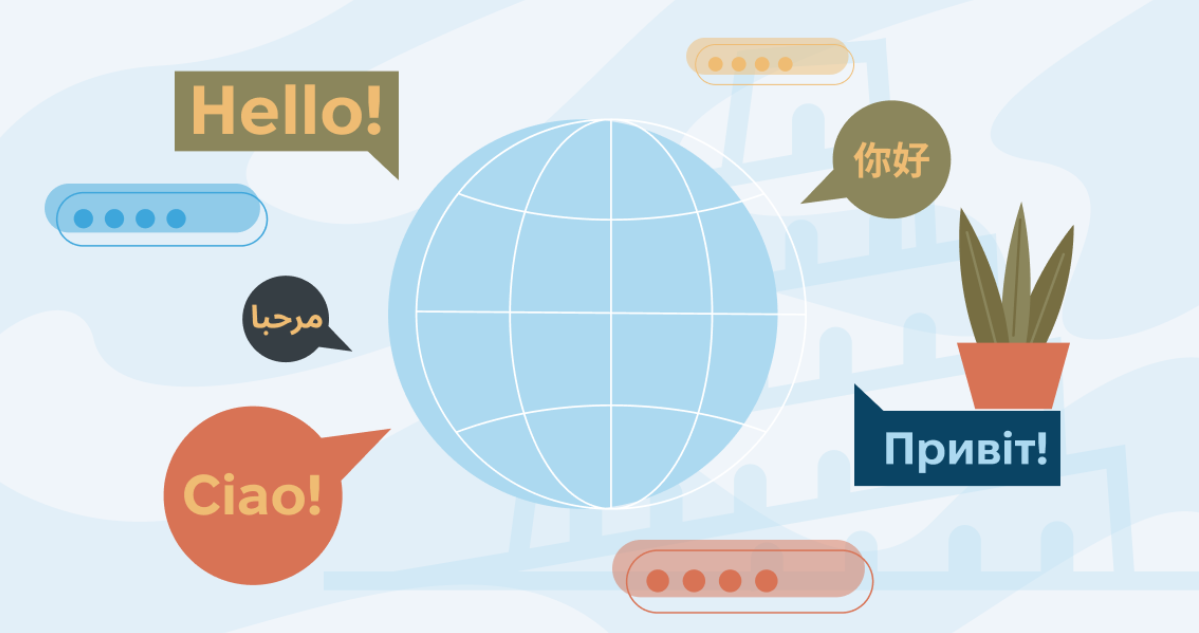
How Many Languages Are There in the World?
Quick answer: how many languages are there in the world So, how many spoken languages are there? It is not a simple question to answer, because the number changes as languages disappear, evolve, and are reclassified. According to Glottolog 5.3, one of the major linguistic databases, as of March 2026 there are 7,674 spoken languages […]
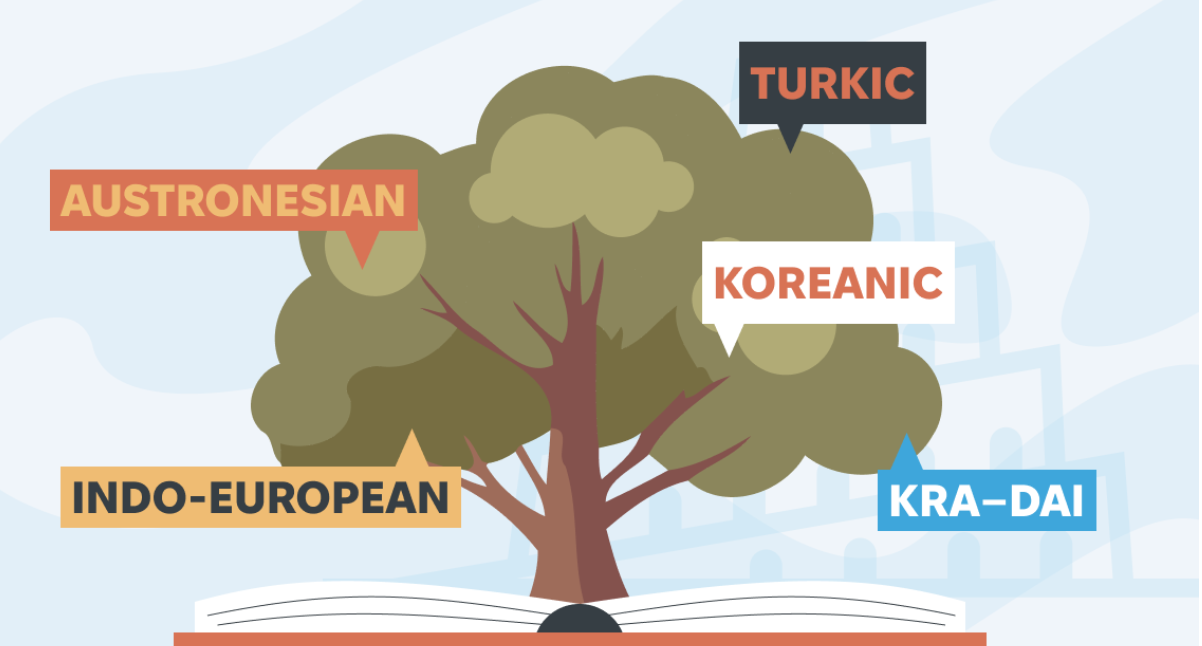
What Is a Language Family? Major Language Families Explained
What a language family is A linguistic family is a group of languages that developed from a shared ancestral language, known as a proto-language. In historical linguistics, researchers establish this relationship by comparing systematic similarities in vocabulary, grammar, sounds, and other features that are unlikely to have arisen by chance. So, how many language families […]

Human-in-the-Loop (HITL) in AI Translation: Why Humans Remain Essential for Brand Content
Artificial intelligence has fundamentally changed how companies approach multilingual communication. What once took weeks can now happen in minutes, and AI-powered translation has become an everyday part of global content operations. As large language models continue to evolve throughout 2026, many organizations are increasingly wondering whether AI can truly replace professional translators. In this article, […]

Translation Management Systems Explained: How to Choose the Right Solution for Your Business
Imagine you need to launch your website and marketing campaigns across Spain, Germany, and Japan next month. To make that happen, you have to coordinate a dozen different people: in-house translators, external agencies, copywriters, UI designers, developers, and local market specialists. Now, reality sets in without a central system. Your project managers spend hours emailing […]
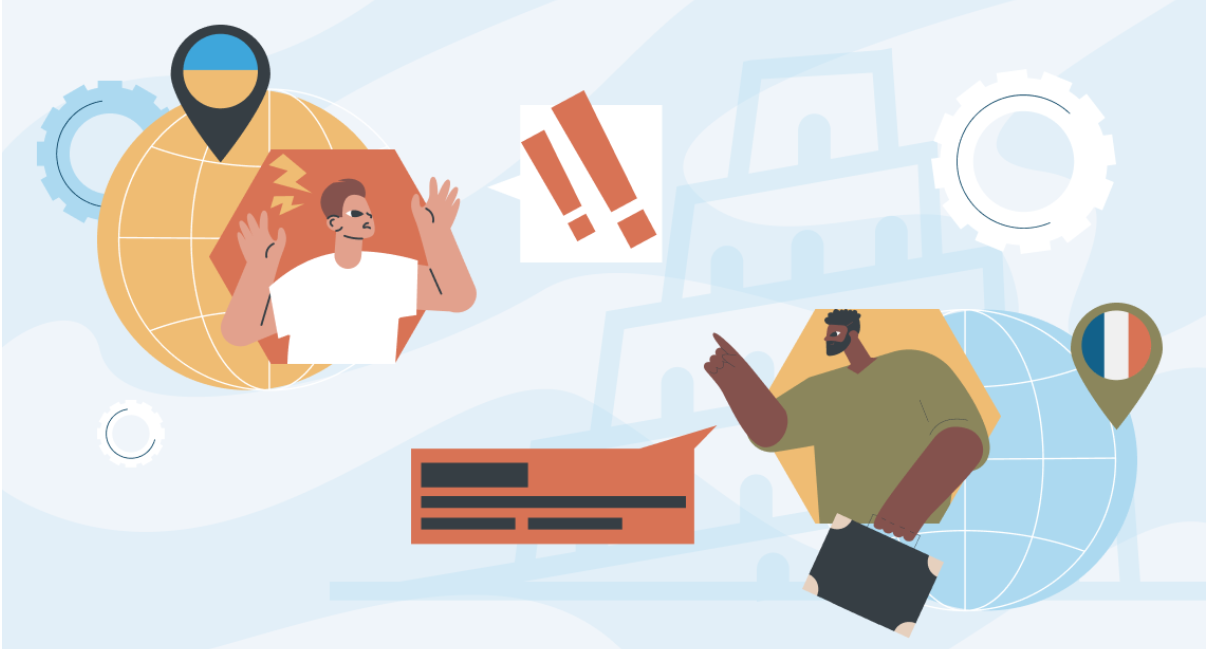
Biased Language Explained: How It Affects Translation and Global Communication
A single phrase can make or break a global product launch. Picture an international marketing team finalizing a campaign in London. The English copy feels punchy and confident. But within forty-eight hours of translating that text into Ukrainian, local forums erupt with complaints. The issue was not a technical mistranslation. It was subtle bias in […]
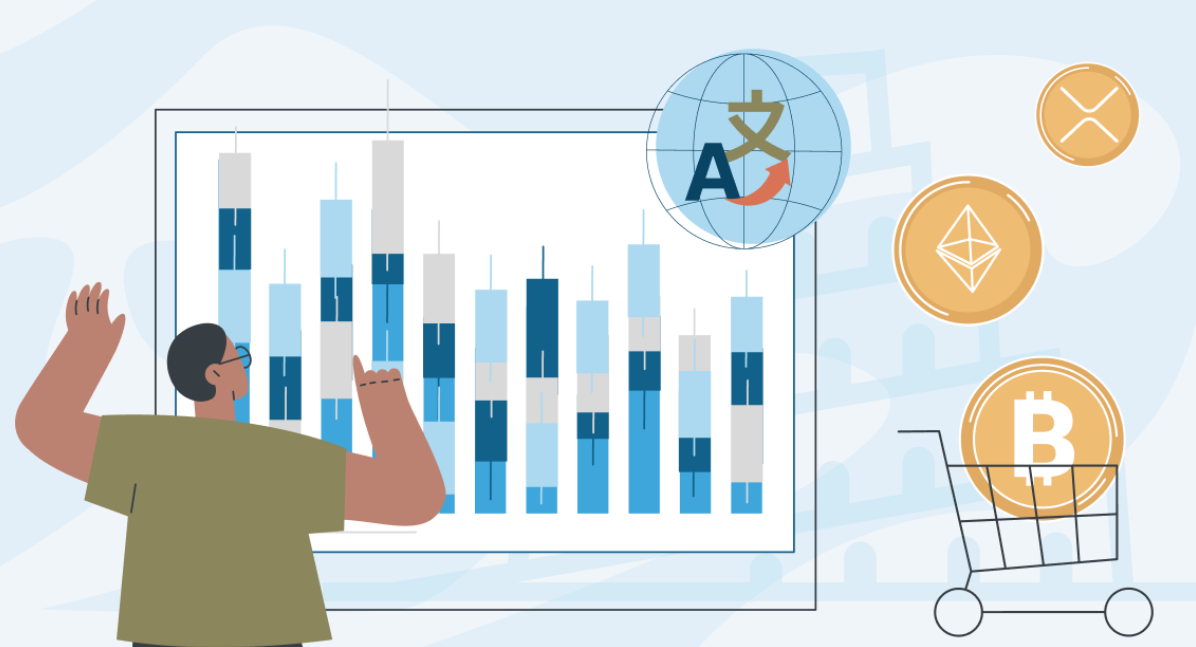
Translating Fintech & Crypto Content: Navigating Emerging Terminology and Compliance
FinTech (Financial Technology) is an industry that combines financial services with modern digital technologies such as mobile payments, artificial intelligence, big data, and blockchain. Its rapid development has contributed to the emergence and adoption of Web3—a new phase of the digital economy built on decentralization, digital ownership, and transparent networks. The connection between FinTech and […]

Business Translation: A Complete Guide to Managing Multilingual Communication
Communication is your most critical strategic asset during global expansion. Every corporate message and marketing slogan carries substantial weight. A single ambiguous clause or tone-deaf advertisement can ruin years of brand equity. That’s why it is so crucial to navigate international commerce with precision. In this guide, we explore how to manage corporate translation, protect […]
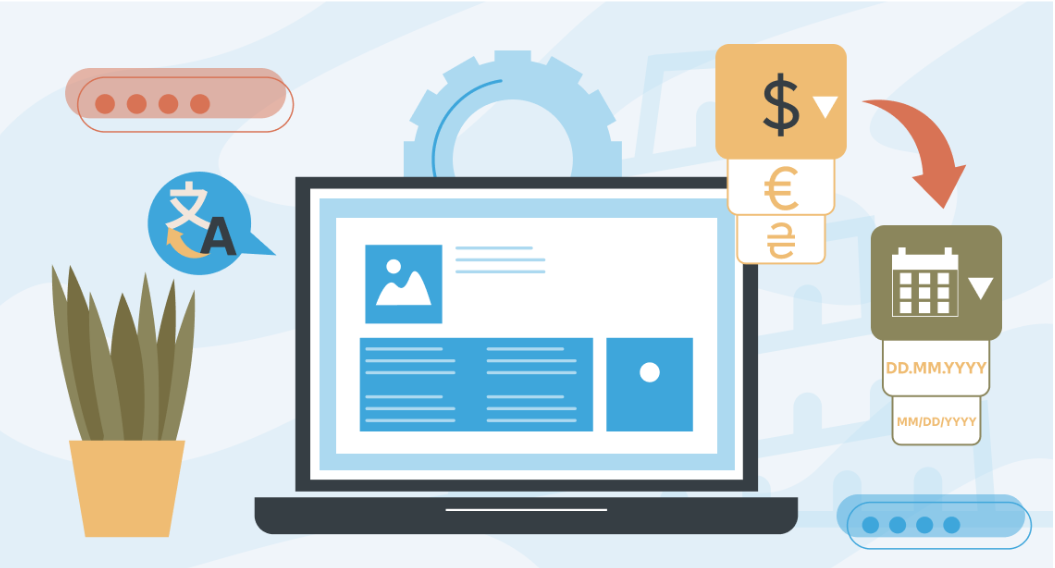
What Is Internationalization (i18n)? A Practical Guide for Global Products
Launching a digital product overseas often sounds as simple as translating text into another language. However, companies discover that building a global audience requires far more than that; it demands an engineering foundation that welcomes diverse locales. What internationalization (i18n) is Internationalization (i18n) is the practice of designing and developing software so that it adapts […]

Website Translation Explained: Methods, Tools, and Best Practices for Global Success
A website can look great, run smoothly, and be full of useful information—yet still fail to connect with customers in other countries. Often, the problem is not the website itself but the way its message is presented: customers expect content that reads naturally, feels relevant, and speaks to them in their own language, which is […]

